 Save Pin
 My grandmother's cast-iron skillet sat on her stove like it owned the place, seasoned black and seemingly indestructible. One Sunday afternoon, while she pulled a golden cornbread from that very pan, I realized the magic wasn't some secret ingredient but the heat, the butter sizzle, and the way she treated baking like conversation instead of chemistry. That skillet became my inheritance, and now every time I make cornbread in it, I'm transported back to her kitchen where comfort wasn't just food, it was the sound of laughter mixing with the smell of honey butter melting into warm bread.
I once made this for a potluck where someone brought store-bought cornbread mix, and I watched their face when they tasted mine alongside it. There was this moment of silence, then they asked for the recipe, and I knew I'd done something right. Since then, I've learned that feeding people something made with intention, baked in cast iron, and finished with real honey butter says more than words ever could.
Ingredients
- Yellow cornmeal: This is the soul of the bread, giving it that distinctive texture and slightly sweet corn flavor; make sure it's fresh because stale cornmeal tastes dusty and defeats the entire purpose.
- All-purpose flour: Balances the cornmeal so the crumb stays tender rather than too crumbly, and it's the backbone of the structure.
- Granulated sugar: Just enough to enhance the corn's natural sweetness without making this a dessert masquerading as cornbread.
- Baking powder and baking soda: These two work together to create that light, airy interior while the edges get crispy in the hot skillet.
- Whole milk or buttermilk: Whole milk gives richness, but if you use buttermilk, the tang cuts through the sweetness and makes every bite feel more complex.
- Eggs: They bind everything together and add structure so the cornbread doesn't fall apart when you slice it warm.
- Melted butter and vegetable oil: The combination creates incredible moisture and that tender crumb; the oil keeps it from drying out over time.
- Cast-iron skillet with butter: This is where the magic happens, creating those golden, crispy edges that steal the show.
- Honey butter: Softened butter whipped with honey becomes luxurious and spreadable, melting into every warm crevice of the bread.
Tired of Takeout? 🥡
Get 10 meals you can make faster than delivery arrives. Seriously.
One email. No spam. Unsubscribe anytime.
Instructions
- Heat your skillet like you mean it:
- Get that 10-inch cast iron into a 425°F oven while you mix everything else. A hot skillet is non-negotiable because it creates the sizzle that browns the bottom and gives you those enviable golden edges.
- Combine your dry ingredients:
- Whisk cornmeal, flour, sugar, baking powder, baking soda, and salt in a large bowl until evenly mixed. There's no rush here; take your time so the leavening agents are distributed evenly.
- Mix your wet ingredients:
- In another bowl, whisk milk, eggs, melted butter, and vegetable oil until they're fully incorporated and the color is uniform. The texture should look slightly rich and cohesive.
- Bring it together gently:
- Pour the wet mixture into the dry ingredients and fold them together with a spatula until just barely combined. Overmixing develops gluten and creates a tough, dense cornbread that nobody wants.
- The hot butter moment:
- Carefully pull that screaming hot skillet from the oven, add 2 tablespoons of butter, and swirl it around to coat every surface. The skillet should hiss like it's doing something important, because it is.
- Pour and smooth:
- Transfer the batter into that buttered heat and gently smooth the top with a spatula. You'll watch it start to bubble slightly around the edges as it hits the hot surface.
- Bake until golden:
- Slide it back in for 20 to 25 minutes until the top is deep golden brown and a toothpick inserted into the center comes out clean. The edges should be pulling slightly away from the skillet sides.
- Make your honey butter while waiting:
- Beat softened butter with honey and a small pinch of salt until it's fluffy and smooth, almost like a cloud. This takes maybe 3 minutes with a fork or whisk, and it's worth the minimal effort.
- Cool slightly, then serve:
- Let the cornbread rest for 5 to 10 minutes so it firms up enough to slice cleanly, but it's still warm enough to let the honey butter melt into oblivion. This is the perfect time to gather everyone around.
 Save Pin
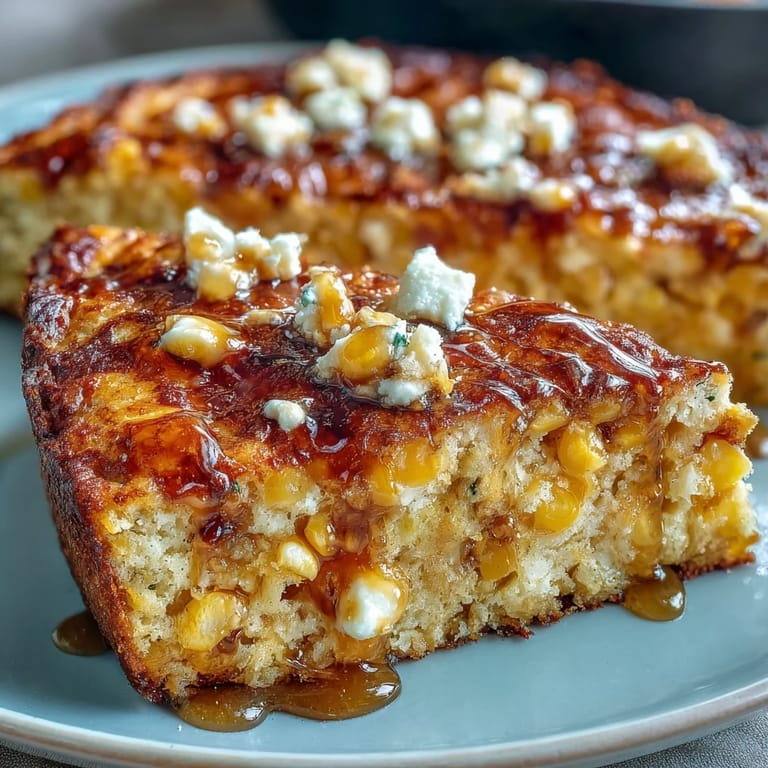
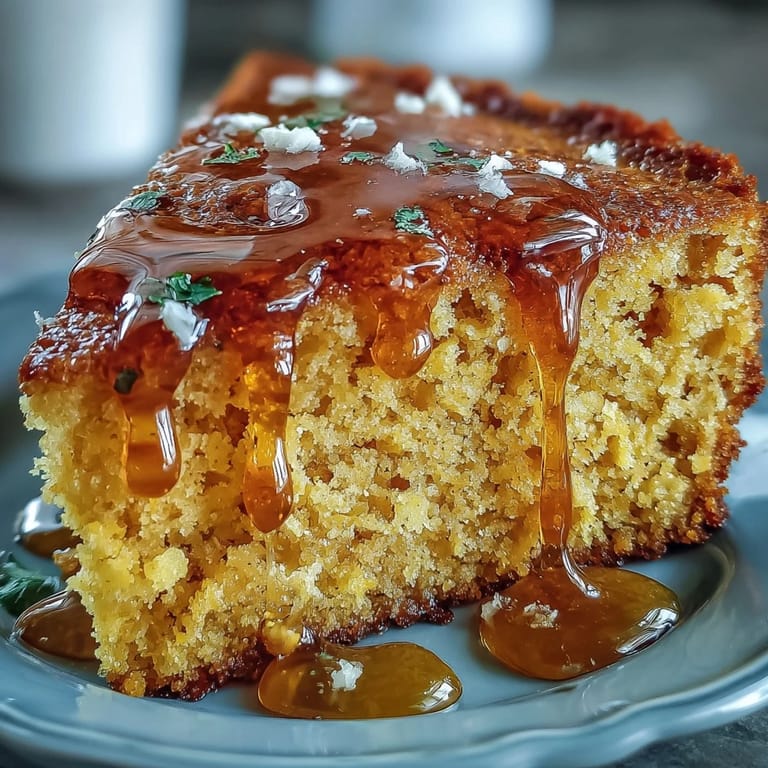
 There's something almost sacred about pulling a cast-iron skillet from the oven and seeing that perfectly golden top, steam rising like a small celebration. When you slice into it warm and watch the honey butter melt into every crack, you realize this dish transcends the category of "side dish" and becomes the reason people show up to dinner.
The Cast-Iron Difference
Cast iron isn't just a vessel; it's a legacy tool that conducts heat differently than any other pan, creating a crispy exterior while the inside stays moist and tender. I've made this exact recipe in a regular cake pan out of desperation once, and it was good, but it wasn't memorable in the way that cast-iron cornbread is. The skillet's weight and heat retention mean that your batter starts cooking the moment it touches the surface, creating a flavor and texture that's basically impossible to replicate elsewhere.
Buttermilk vs. Regular Milk
If you can find buttermilk, use it instead of regular milk for a subtle tang that plays beautifully against the sweetness and adds complexity. I grew up thinking cornbread always tasted one way until I tried buttermilk version, and suddenly understood that small ingredient swaps can completely change how a dish makes you feel. The acidity also activates the baking soda differently, creating a slightly different crumb structure that some people find superior.
Taking It Further
This basic recipe is perfect as is, but once you've mastered it, the world opens up. Fresh corn kernels stirred in add sweetness and little bursts of moisture, sharp cheddar creates pockets of savory richness, and jalapeños bring heat that surprises people who expect cornbread to be one-note. The beauty of a foolproof base recipe is that you can be creative without worrying about breaking something fundamental.
- Corn kernels, cheddar, or jalapeños can be folded in without changing the baking time or temperature.
- A scoop of creamed corn stirred into the wet ingredients makes the entire thing even more luxurious.
- Never skip the honey butter, because it's not optional; it's the entire reason this dish exists.
 Save Pin
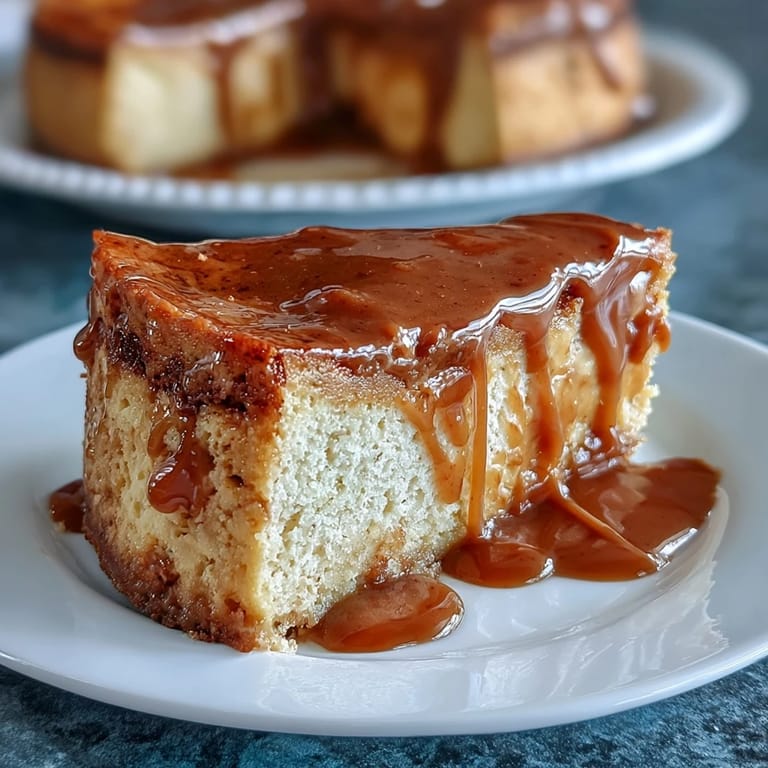
 This cornbread will change how people think about side dishes, and once you master it in your own cast iron, you'll understand why my grandmother guarded that skillet like treasure. Serve it warm, share it freely, and watch what happens when real food made with care touches someone's plate.
Recipe FAQs
- → What makes the cornbread moist and tender?
The combination of buttermilk or whole milk with eggs and melted butter ensures a tender, moist crumb that balances the cornmeal’s texture.
- → Why use a cast-iron skillet for baking?
Cast-iron heats evenly and retains warmth, creating a crisp crust while keeping the inside soft and moist.
- → Can I substitute ingredients to suit dietary needs?
You can swap whole milk with buttermilk for tanginess, or add corn kernels and shredded cheddar for extra flavor and texture.
- → How is the honey butter prepared?
Simply beat softened unsalted butter with honey and a pinch of salt until smooth and fluffy for a rich, sweet topping.
- → What dishes pair well with this cornbread?
This cornbread complements smoky barbecue, spicy chili, and crispy fried chicken perfectly, making it a versatile side.