 Save Pin
 My daughter came home from school with a drawing of a rainbow and asked if lunch could look like that too. That afternoon, I found myself in the kitchen with wooden skewers and a pile of fruit, suddenly understanding that feeding kids isn't just about nutrition—it's about making them feel seen. These bento boxes turned out to be the answer to her question, and now they're what she actually looks forward to opening at noon.
I remember packing these for my son's soccer tournament last spring, watching him carefully pull out a fruit skewer during halftime like it was treasure. His teammate's mom asked for the recipe right there on the sidelines, and suddenly I realized this simple lunch had become something people noticed and wanted to recreate for their own kids.
Ingredients
- Strawberries: Hulled and halved, they're the anchors of your skewers and hold their shape beautifully through the day.
- Seedless grapes: Red or green works equally well, and they stay firm enough to thread without squishing if you're gentle.
- Pineapple chunks: These add a tropical brightness and the acidity keeps other fruits from browning too quickly.
- Kiwi: Peel and slice just before assembling so the vivid green stays vibrant and eye-catching.
- Banana: Slice thickly and thread carefully, as bananas are delicate but add natural sweetness and creaminess.
- Wooden or reusable mini skewers: Soak wooden ones in water for ten minutes before using to prevent splintering and staining.
- Plain Greek yogurt: This is your dip base—full-fat versions are creamier and more satisfying than non-fat.
- Honey or maple syrup: Just a touch sweetens the dip without making it taste artificial or overly sugary.
- Pure vanilla extract: It transforms plain yogurt into something that tastes intentional and special.
- Whole wheat mini sandwich bread: Look for versions without added sugars so the sandwiches taste wholesome and sustaining.
- Cream cheese: Spreads easily and anchors your sandwich fillings so nothing shifts around during the day.
- Deli turkey or ham: Optional, but adds protein and a familiar flavor kids recognize and enjoy.
- Cucumber: Slice thin and pat dry so it doesn't make sandwiches soggy by lunchtime.
- Carrot sticks: Raw and crunchy, they provide satisfying texture contrast and natural sweetness.
- Cherry tomatoes: Leave whole or halve depending on your child's age and preference for bite-sized pieces.
Tired of Takeout? 🥡
Get 10 meals you can make faster than delivery arrives. Seriously.
One email. No spam. Unsubscribe anytime.
Instructions
- Thread your fruit skewers with intention:
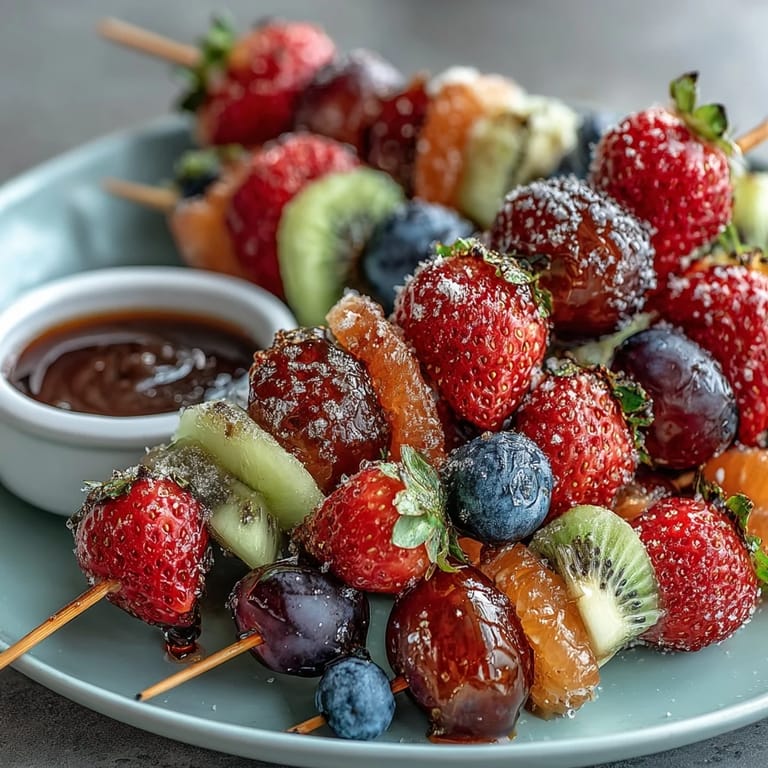
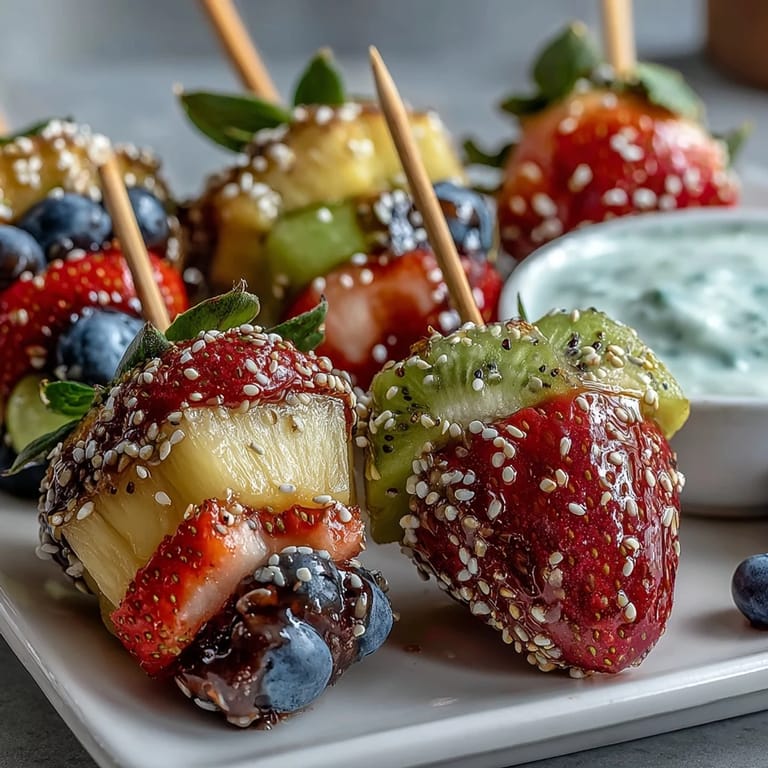
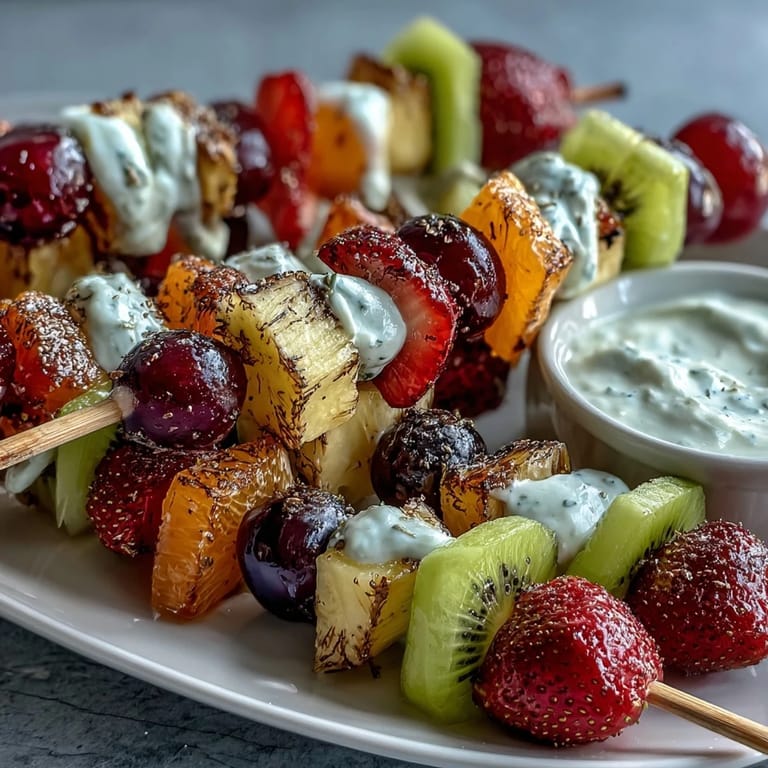
- Start with a strawberry half, then alternate grapes, pineapple, kiwi, and banana—the pattern matters because your eyes eat first. Work gently so nothing cracks, and rotate your skewer as you go to keep the arrangement balanced and colorful on all sides.
- Blend the yogurt dip until it's silky:
- Whisk Greek yogurt with honey and vanilla until the mixture is smooth and has a subtle sweetness that doesn't overpower. Transfer it to a small lidded container that fits snugly in your bento box so it won't tip.
- Build sandwiches with care:
- Spread cream cheese on one bread slice, layer turkey if using, then arrange cucumber slices overlapping slightly so they stay put. Top with another bread slice and cut into shapes with small cookie cutters—your kid will recognize their sandwich as special before they even taste it.
- Arrange everything in your bento compartments:
- Think of it like a landscape where each element gets its own space—skewers standing upright, dip container secure, sandwiches flat, veggies and carrot sticks grouped by type. The separation keeps everything fresh and the presentation makes lunch feel like an event.
- Chill and pack thoughtfully:
- Keep everything in the refrigerator until departure time, then add an ice pack if it's leaving the house. The cooler temperature keeps fruit crisp and yogurt refreshing even hours later.
 Save Pin
 There was a quiet moment watching my kids actually sit together and eat something I'd made without complaining, both focused on their rainbow skewers like they were solving a puzzle. Food became a conversation starter instead of a battle, and I realized that sometimes the most nourishing thing you can serve is the feeling that someone cared enough to make lunch beautiful.
The Magic of Color and Presentation
Kids are drawn to color the way flowers follow sunlight, and a bento box that looks like a artist's palette tastes better simply because of what they see first. The compartments themselves become part of the fun—each section feels like opening a tiny gift instead of eating what's expected. When you slow down to arrange fruit thoughtfully and cut sandwiches into stars or hearts, you're sending a message that your child's lunch matters, and somehow they taste that intention.
Customizing for Your Child's Favorites
This bento is a starting point, not a rigid rule, so feel free to substitute any fruit your kids actually enjoy eating. Swap pineapple for melon chunks, add blueberries, use apple slices brushed with lemon, or whatever keeps your lunch box from coming home untouched. The real magic is in the structure and presentation—the fruits change but the concept of making lunch feel special stays the same.
Timing and Preparation Secrets
Twenty minutes sounds short until you realize you're not cooking anything—just slicing, threading, and arranging, which means this fits into even hectic mornings. The prep work is actually meditative if you let it be, a few quiet minutes before the day gets loud. Here's what I've learned makes the difference between rushed and peaceful:
- Wash and slice your fruit the night before, storing everything in separate containers so morning assembly is just threading and arranging.
- Make your yogurt dip ahead too—it actually tastes better after sitting overnight as flavors meld together.
- Keep your skewers, containers, and cookie cutters in one easy-to-find spot so you're not hunting through drawers when you're already running behind.
 Save Pin
 These bento boxes remind me that feeding your family well doesn't always mean complexity—sometimes it just means paying attention to the details that make ordinary lunch extraordinary. Your kids will remember the care more than the ingredients.
Recipe FAQs
- → What fruits work best for the skewers?
Strawberries, grapes, pineapple, kiwi, and banana offer a colorful mix, but apples, melon, or blueberries can be used too for variety.
- → Can the yogurt dip be made dairy-free?
Yes, substitute plain Greek yogurt with a dairy-free alternative to accommodate vegan or lactose-sensitive needs.
- → How should sandwiches be shaped for kids?
Use cookie cutters to create fun shapes that make the sandwiches more appealing and encourage kids to eat.
- → Is this lunch suitable for nut allergies?
Yes, ensure all ingredients including yogurt are sourced from nut-free facilities to keep it safe for those with nut allergies.
- → How to keep the lunch fresh until served?
Pack the components in separate compartments and include an ice pack if taking the lunch outdoors or to school to maintain freshness.