 Save Pin
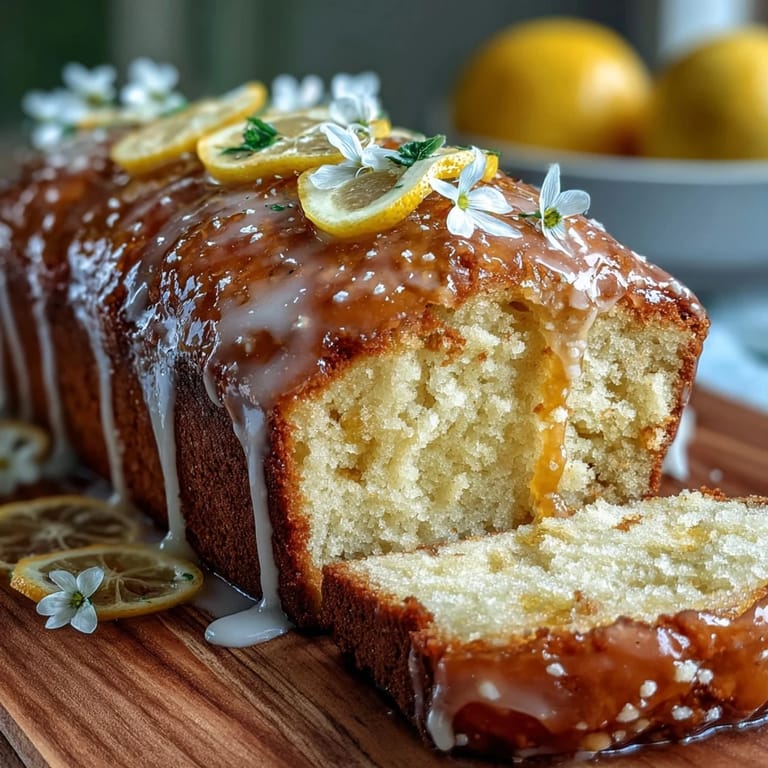
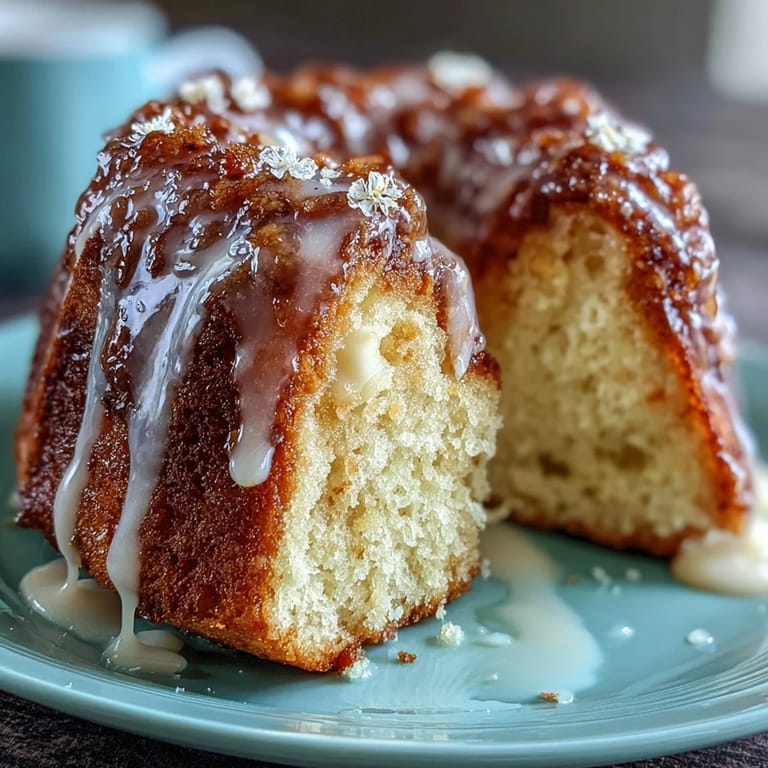
 My mum always said the secret to a proper cake was in the zest—not just the juice, but that fragrant yellow stuff clinging to the skin, packed with all the flavour lemons are keeping to themselves. Years of watching her crack eggs into buttery mixtures taught me that patience in the kitchen isn't about time, it's about letting each ingredient announce itself. This lemon drizzle cake became our tradition not because it's fancy, but because it's honest: bright, moist, and humble enough to feel like coming home. The edible flowers were my own addition, something I started doing when I wanted to make an ordinary cake feel like a celebration. Now, every time someone bites into it, they get that little moment of surprise and beauty.
I made this for my mum's 60th birthday on a rainy April afternoon, and something magical happened in that kitchen—the smell of lemon zest filled the house so completely that my sister could follow it from three rooms away. She arrived early, caught me mid-drizzle with my hands shaking slightly because I wanted it to be perfect, and instead of helping, she just sat at the kitchen table and talked while I worked. That cake taught me that the best food moments aren't about flawlessness; they're about the people who show up while you're making something with care.
Ingredients
- Unsalted butter, softened (225g): Room temperature butter creams properly with sugar and holds air, creating that tender crumb that makes people ask for the recipe.
- Caster sugar (225g): The fine crystals dissolve faster than granulated, giving you a silkier texture and that pale, fluffy base that's non-negotiable.
- Large eggs (4): At room temperature, they blend smoothly with the butter mixture and provide structure that keeps the cake from collapsing.
- Self-raising flour (225g): The leavening is already built in, so you don't have to fuss with measuring baking powder separately.
- Zest of 2 unwaxed lemons: This is where the magic lives—microplane it finely so every bite has tiny pockets of brightness.
- Whole milk (2 tbsp): Just enough to keep the batter from being too stiff while you fold in the flour.
- Pinch of salt: A small amount makes the lemon flavour jump forward instead of sitting politely in the background.
- Lemon juice (2 lemons for drizzle): Fresh is absolutely worth it; bottled tastes like a missed opportunity.
- Icing sugar (125g for drizzle): Dissolves into the lemon juice to create that glossy, tangy coating that soaks into the warm cake.
- Edible flowers: Make sure they're pesticide-free and grown specifically for eating—your greengrocer or a specialty shop usually stocks them.
Tired of Takeout? 🥡
Get 10 meals you can make faster than delivery arrives. Seriously.
One email. No spam. Unsubscribe anytime.
Instructions
- Prepare your oven and tin:
- Heat your oven to 180°C (160°C fan) and line your loaf tin with parchment so nothing sticks and you can lift the cake out cleanly. A quick grease of the sides helps the paper stay in place.
- Cream the butter and sugar:
- Beat them together until the mixture looks pale and fluffy, almost like the colour of buttercream—this takes about 3 to 4 minutes if you're using an electric mixer. This step builds air into the batter, which becomes the structure of your cake.
- Add the eggs gently:
- Crack each egg in separately, beating well after each one, so they incorporate properly rather than leaving slick puddles in your mixture. If it looks curdled, don't panic—it usually comes back together once you add the flour.
- Fold in the dry ingredients:
- Gently fold the flour, lemon zest, milk, and salt together until just combined—lumps are fine, overmixing makes the cake tough. Work slowly and let the spatula do gentle turning motions rather than aggressive stirring.
- Transfer to the tin:
- Spread the batter evenly into your prepared tin and smooth the top with the back of your spatula so it bakes level. A little dip in the centre actually helps it cook evenly.
- Bake until golden:
- Set the timer for 40 to 45 minutes and look for a pale golden top and a skewer that comes out clean when you poke the middle. The cake will smell like summer at this point.
- Make the drizzle:
- While the cake bakes, whisk the lemon juice and icing sugar together until smooth—no lumps allowed or they'll be gritty on top. Taste it; it should be tart but not mouth-puckering.
- Pierce and drizzle:
- While the cake is still warm in the tin, use a skewer to poke holes all over the top, then slowly pour the drizzle onto the warm cake so it soaks in completely. The warmth helps the syrup penetrate instead of sitting on the surface.
- Cool completely:
- Leave the cake in the tin until it cools to room temperature—this takes a couple of hours—then gently turn it out onto a serving platter. Patience here prevents the cake from breaking apart.
- Decorate just before serving:
- Dust lightly with extra icing sugar if you like, then scatter the edible flowers on top so they stay bright and fresh-looking. They're your final flourish, so make them count.
 Save Pin
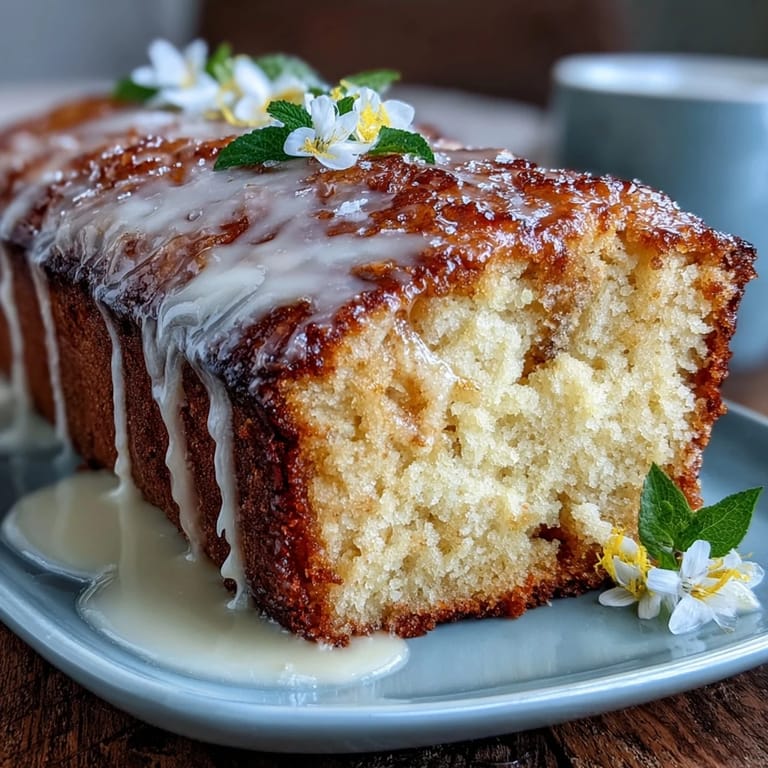
 A friend brought her three-year-old over once, and the little one pointed at the flowers on top and asked if cake was supposed to be pretty. I realized then that this cake had become more than just dessert—it was teaching her that food can be both delicious and beautiful, that you can celebrate someone by putting thought and care into what you make for them. That's stuck with me ever since.
Why Fresh Lemon Really Matters
Bottled lemon juice has a sharp, one-note flavour that tastes vaguely disappointed, whereas a real lemon has layers—sweetness hiding underneath the tartness, floral notes you don't quite expect. I learned this the hard way when I was in a rush and grabbed a plastic bottle, and the cake tasted flat no matter what I did. Fresh lemons cost almost nothing and make such a visible difference that I now keep them in a bowl on my counter for exactly this reason.
The Art of Not Overmixing
One afternoon I was showing my cousin how to make this cake, and she kept stirring the batter because she wanted it to look completely smooth. The cake came out with a dense, almost gluey texture, and she felt terrible until I explained that gluten development is your enemy in a cake—you want some small lumps, some pockets of unmixed flour that will hydrate as the cake bakes and keeps things tender. Now she sends me photos of her cakes with little lumps still visible and always says they turned out light.
Storage and Make-Ahead Magic
This cake actually tastes better the next day, after the flavours have settled and the crumb has absorbed all that lemon drizzle, so don't feel rushed to serve it immediately. Keep it wrapped loosely in a kitchen cloth on the counter, and it stays moist for almost four days without going hard or stale.
- Make the cake a full day ahead, store it uncovered so the glaze sets slightly, then add the flowers and dust of icing sugar just before serving.
- If you're bringing this to someone's house, transport it gently in a cake tin and save the flower decoration for the last moment.
- Slice with a hot, wet knife and wipe it clean between cuts for neat, beautiful slices that show off the tender crumb.
 Save Pin
 Every time someone takes a slice of this cake and their face lights up at that first bright burst of lemon, I remember why I bake—it's not about perfection, it's about creating a moment where someone feels celebrated. This cake does that without trying too hard.
Recipe FAQs
- → How is the lemon flavor enhanced in the cake?
Lemon zest is folded into the batter for a fresh citrus aroma, while a drizzle made from lemon juice and icing sugar is poured warm over the cake to infuse tangy sweetness throughout.
- → What purpose do the edible flowers serve?
They provide a visually appealing and delicate decorative touch, enhancing the cake’s presentation without altering its flavor significantly.
- → How can I ensure the cake remains moist?
A careful mix until just combined, use of butter, eggs, and milk, plus the warm lemon glaze soaking in after baking, all help keep the cake moist and tender.
- → Can this be adapted for gluten-free diets?
Yes, substitute self-raising flour with a gluten-free alternative and add a teaspoon of baking powder to maintain the rise and texture.
- → What are the recommended serving suggestions?
Serve slices with a dusting of icing sugar and optionally a side of whipped cream or crème fraîche for added indulgence.
- → Are there any allergy considerations for the flowers?
Edible flowers should be pesticide-free and safe for consumption, but individuals sensitive to pollen or specific flowers should exercise caution.