 Save Pin
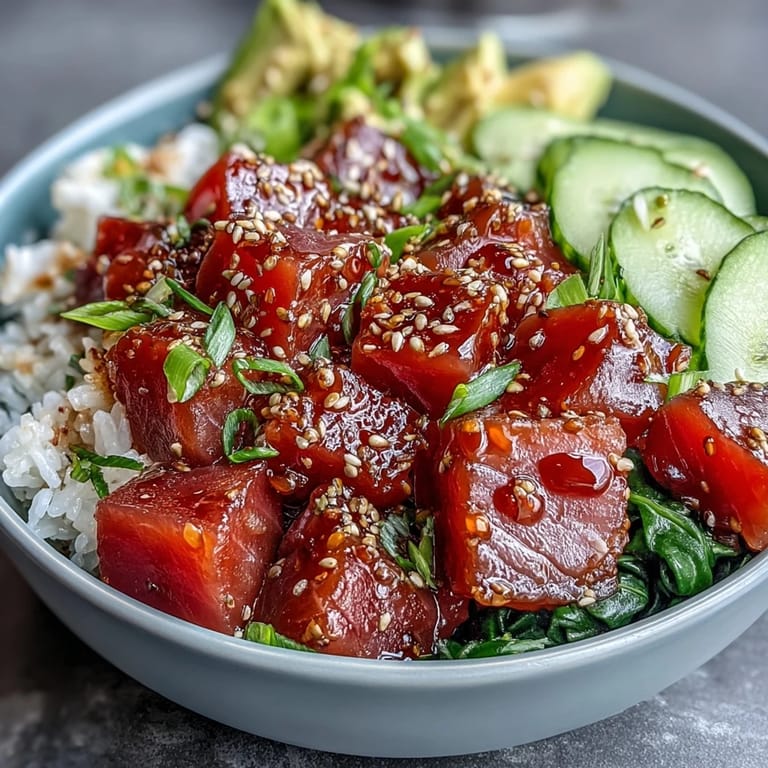
 When spring sunlight first starts streaming through my kitchen window, I find myself craving something cool and energizing, and that's exactly when this tuna poke bowl became my spontaneous lunchtime fix. The sound of my knife tapping against the cutting board as I sliced fresh radishes for the first time that year felt almost therapeutic. I remember thinking how oddly satisfying it is to watch each ingredient fall neatly into its place, building colorful layers in the bowl. The tang of ponzu and the subtle richness of sesame always make the kitchen air sing with anticipation. This recipe is born not just of flavors, but of that mood: eager for something lively and crisp after winter.
One weekday, I threw this together for my partner after a long walk outside — we both hovered over the kitchen island, stealing bites of marinated tuna before it even reached the bowl. There was quiet laughter about who could arrange the avocado slices prettiest, but honestly, each bowl ended up looking unique and beautiful despite (or because of) the rushed hands. Somehow, these moments make simple prep feel like a celebration in itself.
Ingredients
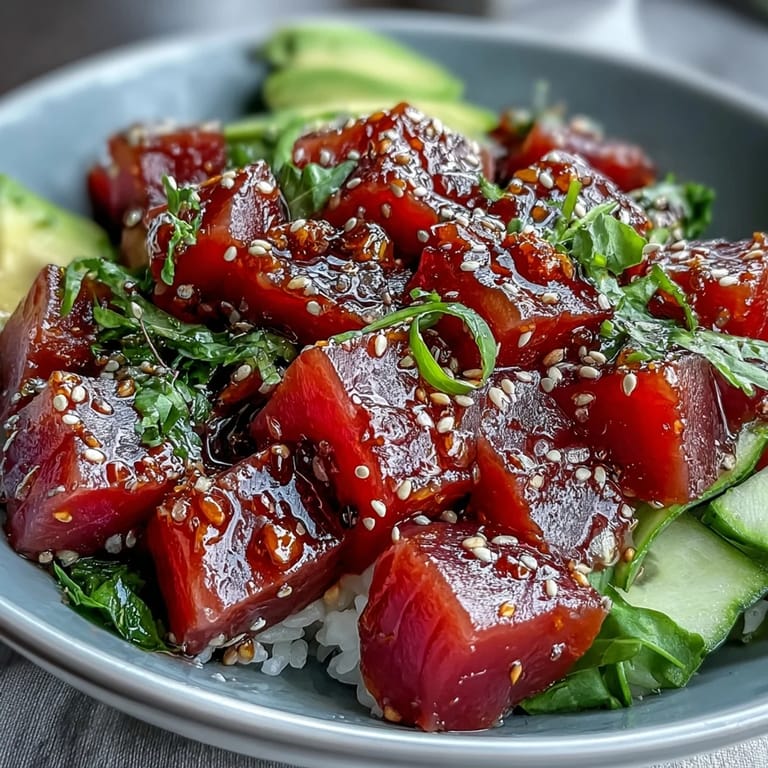
- Sushi-grade tuna: The fresher the better — crisp, ruby cubes make all the difference for texture and clean flavor.
- Ponzu sauce: Its citrusy, umami kick adds instant lift; test different brands, as some can be quite punchy.
- Sesame oil: Go light-handed, a few drops add depth without overpowering the fish.
- Soy sauce: Just enough for savoriness; use tamari for gluten-free bowls.
- Rice vinegar: Essential for subtle zing in both tuna and rice — always taste as you go.
- Toasted sesame seeds: Bring crunch and earthy aroma; I always toast them fresh for extra fragrance.
- Cucumber: Thin slicing ensures it stays cool and refreshing, adding great crunch.
- Radishes: They give a mild peppery bite; soak in cold water if you want them extra crisp.
- Avocado: Ripe but not mushy avocados create creamy contrast; sprinkle with a little lemon to keep color bright.
- Carrot: Julienne for pretty strands that pop visually and texturally.
- Edamame: Shelled beans give a satisfying, subtly sweet bite — buy frozen for easy prep.
- Spring onions: Finely slice to let them melt into the bowl without overpowering the other ingredients.
- Pickled ginger (optional): It wakes up the palate and cleanses between bites; I use homemade when I have extra time.
- Sushi rice: Sticky but not gummy rice is the backbone — rinse well before cooking for the best texture.
- Rice vinegar (for rice): Just a dash gives the rice its traditional flavor; stir gently to avoid smashing the grains.
- Pinch of salt: Enhances every element in the bowl, but go cautiously to let the fish shine.
- Nori sheets: Thinly cut, these add the right amount of ocean brininess.
- Extra sesame seeds: Sprinkle at the end for looks and a little extra nutty crunch.
- Microgreens (optional): Totally for flair, but their flavor can surprise you with peppery notes.
Tired of Takeout? 🥡
Get 10 meals you can make faster than delivery arrives. Seriously.
One email. No spam. Unsubscribe anytime.
Instructions
- Marinate the Tuna:
- Add diced tuna to a bowl, then drizzle with ponzu, sesame oil, soy sauce, rice vinegar, and sesame seeds. Give it all a gentle toss — the aroma alone is worth lingering over — and let it chill in the fridge while you prep the rest.
- Season the Rice:
- Scoop your warmed (but cooled) sushi rice into a small bowl, then splash with rice vinegar and a pinch of salt; fold with a spatula to season without mashing the grains.
- Prep Vegetables and Toppings:
- Slice cucumber and radishes thin, julienne the carrot, slice the avocado, and have everything laid out assembly-line style for easy building.
- Bowl Assembly:
- Spoon rice evenly into two bowls — a slightly rounded surface works beautifully for arranging toppings.
- Topping the Bowls:
- Start by arranging marinated tuna, then create sections of cucumber, radish, avocado, carrot, edamame, and spring onions on top so each bite feels intentional.
- Garnish and Finish:
- Tuck in some pickled ginger if using, scatter over nori strips, extra sesame seeds, and a handful of microgreens to finish with a flourish.
- Serve Immediately:
- Hand each bowl off right away; the promise of fresh, bold flavors is best enjoyed before the rice loses its gentle warmth.
 Save Pin
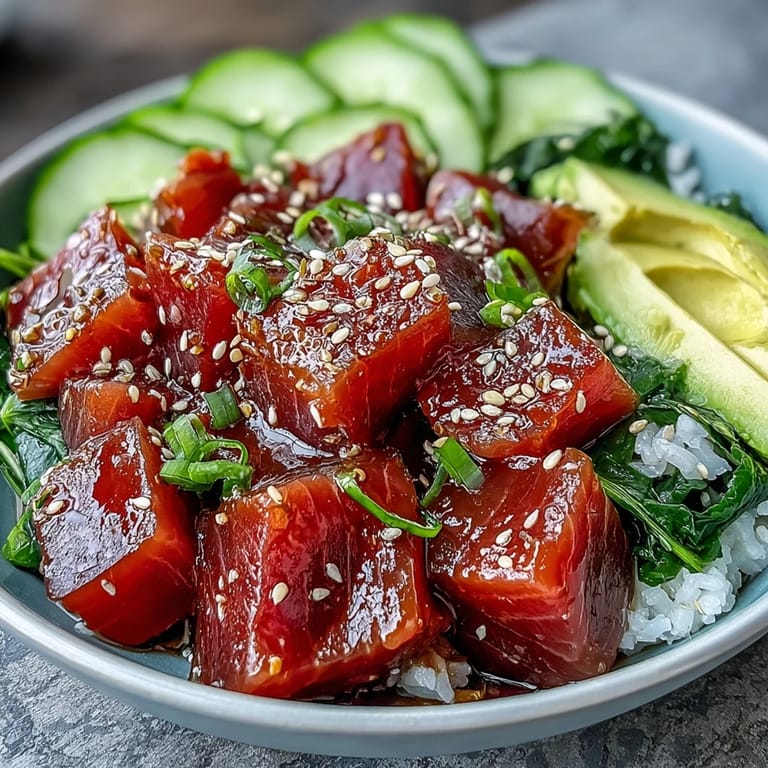
 When friends came by unexpectedly on a sunny Saturday and I was short on time, this poke bowl rescued me from the temptation of ordering takeout — nobody minded eating straight from mismatched bowls while lemony ponzu mingled with laughter and spring air.
How to Source the Best Tuna
Visiting my neighborhood fish market at noon is a ritual — the display always glistens with just-flown-in tuna. Get sushi-grade, and if the vendor looks surprised by your precision, that's a good sign you're on the right track. Touch should be firm, not mushy. If the smell is anything but sea-breeze clean, walk away. Confidence comes with practice, and every vendor has their quirks, so don't hesitate to ask exactly when the tuna arrived.
Make-Ahead and Quick Tips
If you cook your rice the night before, just cover and chill it — a kitchen towel works well to keep it from drying out. Tuna should be cut and dressed fresh, but you can prep all the veggies the morning of and store them in cold water for mega crunch. Assembly gets easier (and more fun) each time, especially with extra hands.
Customizing Your Own Bowl
Swapping in salmon or tofu instead of tuna isn’t just an afterthought — it leads to a whole new flavor adventure each time. Mix up the toppings: snap peas, shredded cabbage, or mango all work wonders if you crave something different. If you want a heat kick, swirl together Sriracha and mayo for a drizzle.
- Add whatever herbs are in your fridge for a last-minute twist.
- Let everyone assemble their own to keep things fun and interactive.
- Don't forget, a little extra ponzu on top never hurts for punchy flavor.
 Save Pin
 This poke bowl has a way of brightening even the dullest day with its layered textures and vivid flavors. Whether you're cooking for one or sharing, it's an invitation to savor a little color and calm in your kitchen.
Recipe FAQs
- → Can I substitute the tuna?
Yes. Use sushi-grade salmon for a similar texture and flavor, or firm tofu for a vegetarian alternative. Adjust marinating time slightly for tofu to allow flavors to absorb.
- → How long should the tuna marinate?
About 10 minutes is enough to impart ponzu and sesame flavors without over-marinating. Longer marination will deepen the flavor but can change the tuna's texture.
- → How do I keep the sushi rice from getting mushy?
Rinse rice until the water runs clear, cook to al dente, then season with rice vinegar and let it cool slightly. Fluff with a fork and avoid overmixing when assembling bowls.
- → What garnishes work best?
Nori strips, extra toasted sesame seeds and microgreens add texture and color. Pickled ginger adds brightness; a drizzle of extra ponzu or spicy mayo adds a finishing kick.
- → How should I store leftovers?
Store components separately: marinated tuna in an airtight container for up to 24 hours in the fridge, rice and vegetables chilled separately to preserve texture. Assemble just before eating.
- → Any tips for making it gluten-free?
Use a gluten-free soy sauce or tamari and a gluten-free ponzu. Check labels on any pre-made sauces or condiments to avoid hidden gluten.