 Save Pin
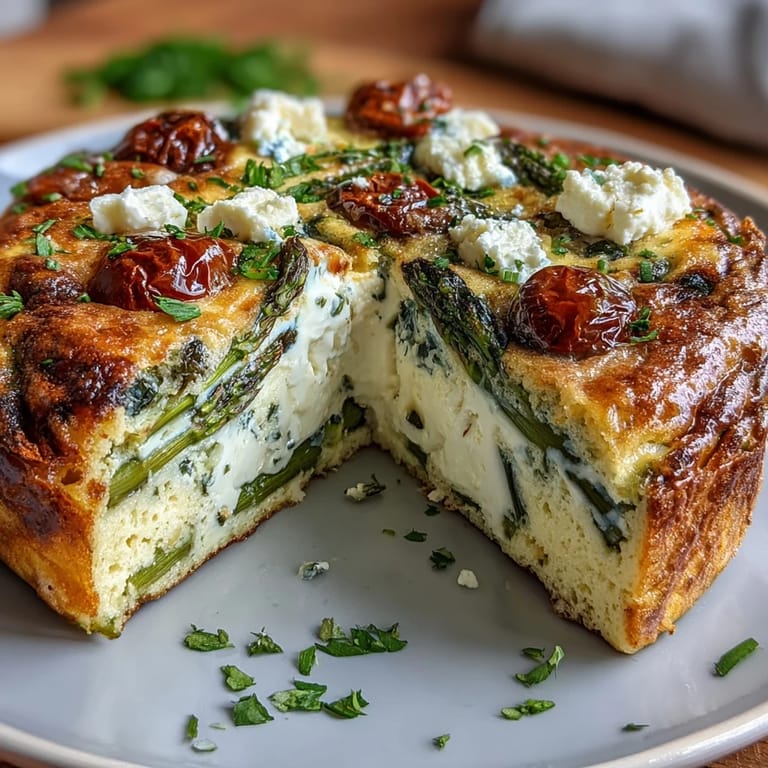
 There's something about spring that makes me want to cook with my windows open, and this frittata became my answer to those first warm mornings when the farmers market suddenly explodes with asparagus and tender greens. My neighbor stopped by one Saturday clutching a bunch of just-picked asparagus, and instead of the usual pasta dish, I threw together this light, custardy frittata that somehow felt both fancy and effortless. The whole thing came together in under an hour, and watching it puff up in the oven felt like a small kitchen victory.
I made this for a group of friends who showed up hungry and unannounced on a Sunday afternoon, and it won them over completely—the kind of dish that tastes special enough for brunch but casual enough that nobody feels like you spent all morning cooking. One friend asked if I could teach her the trick, and I realized there really wasn't one, just good ingredients and a hot oven doing the heavy lifting while we sat outside and talked.
Ingredients
- Asparagus: The star of spring, cut into bite-sized pieces so it cooks evenly without turning mushy—fresh is everything here, and you'll taste the difference.
- Baby spinach: It wilts down dramatically but keeps that tender, buttery texture if you don't overcook the vegetables beforehand.
- Zucchini: Diced small so the pieces soften without releasing too much water that would make the frittata watery and sad.
- Cherry tomatoes: They burst slightly during cooking and release tiny pockets of brightness throughout each bite.
- Green onions: The quiet flavor that brings everything into focus, so don't skip them even if you think they're optional.
- Eggs: Eight large ones whisked with milk creates that cloud-like puff that makes people think you're a better cook than you actually are.
- Goat cheese: Crumbly, tangy, and it melts into creamy streaks instead of clumping, which is exactly what you want in a frittata.
- Parmesan: A supporting player that adds nutty depth without overwhelming the fresh vegetables.
- Fresh chives and parsley: Added at the very end so they stay bright green and herbaceous instead of turning dark and wimpy.
- Olive oil: Good quality matters here since there's nothing else to hide behind—use what you'd drizzle on bread.
Tired of Takeout? 🥡
Get 10 meals you can make faster than delivery arrives. Seriously.
One email. No spam. Unsubscribe anytime.
Instructions
- Set the stage:
- Preheat your oven to 375°F while you prep everything else, because there's nothing worse than cold ingredients waiting around while your oven slowly heats up.
- Get the vegetables going:
- Heat olive oil in your oven-safe skillet over medium heat, then add asparagus and zucchini—you'll smell them softening after a few minutes, and that's exactly when you know they're almost ready. Stir in the spinach, tomatoes, and green onions and cook just long enough for the spinach to give up its resistance and wilt, which takes about two minutes.
- Build the egg base:
- Whisk your eggs with milk, salt, and pepper in a separate bowl until everything is evenly combined and slightly frothy. The frothy part matters because those little air bubbles are what create the fluffy texture everyone raves about.
- Bring it together:
- Pour the egg mixture over the vegetables and distribute it evenly, then scatter the goat cheese, Parmesan, chives, and parsley on top like you're tucking the vegetables into a warm blanket. Let it cook on the stove for three to four minutes until you see the edges starting to set but the center still looks wet and glossy.
- Finish in the oven:
- Transfer the whole skillet to the oven—careful, the handle is hot—and bake for twelve to fifteen minutes until the center is set and slightly puffed and a toothpick inserted in the middle comes out clean. The top should be lightly golden and the smell will pull you back into the kitchen three times wondering if it's done yet.
- Rest and serve:
- Let it cool for five minutes so the structure sets completely before you slice it, which sounds fussy but actually makes serving it so much easier. A gentle tilt and slide onto a cutting board or straight out of the pan onto plates both work perfectly.
 Save Pin
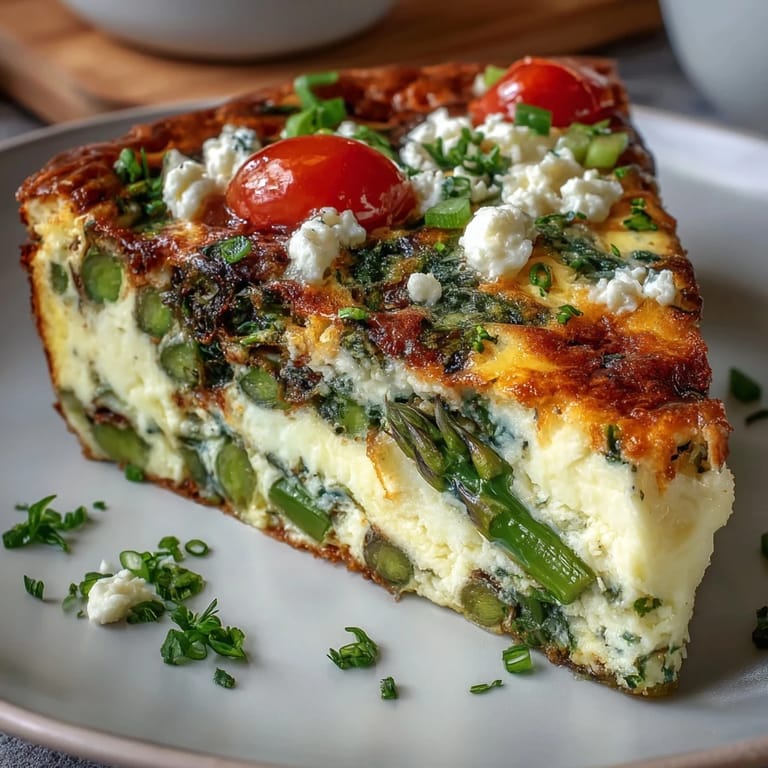
 My sister made this for her book club and texted me a photo of the empty pan with the caption 'they want the recipe,' and I realized this isn't just breakfast food—it's the kind of dish that bridges the gap between casual weeknight cooking and the kind of food that makes people feel celebrated. There's something about serving a warm, slice-able frittata that says 'I knew you were coming over and I wanted to make something special,' even if you threw it together on a whim.
Why Spring Vegetables Taste Different in a Frittata
The gentle heat of the oven transforms fresh vegetables in a way that pan-roasting or boiling never quite manages—the moisture cooks away but the vegetables stay tender instead of turning tough or bitter. The eggs work almost like a protective cushion, surrounding each piece of asparagus or zucchini and keeping it moist while the outside of the frittata gets light and custardy. There's a reason Mediterranean cooking relies on this technique so heavily, and it's because these vegetables and eggs were practically made for each other.
Timing Your Frittata for Different Occasions
Make this for a weekend brunch and serve it warm straight from the skillet with crusty bread and a simple salad, or let it cool to room temperature and slice it into wedges for a picnic-friendly lunch. I've also made this the night before, stored it covered in the fridge, and reheated individual slices in a low oven before serving—not quite as puffy as fresh, but still delicious and infinitely more convenient when you're feeding a crowd. The beauty of a frittata is that it works whenever you need it to work, hot or cold, on a Tuesday or at a summer gathering.
Improvising with What You Have
Spring vegetables are a loose category, and this frittata welcomes substitutions—I've made versions with fresh peas, artichoke hearts, roasted peppers, or even last season's frozen asparagus when the market wasn't looking generous. The goat cheese can swap places with ricotta, feta, or creamy fresh mozzarella, and different herbs like tarragon or dill change the whole personality of the dish without compromising the structure. The core technique stays the same, which means you can trust this method with whatever your kitchen holds.
- Keep the total vegetable volume around three to four cups so the eggs can properly set without becoming rubbery.
- If using watery vegetables like mushrooms or tomatoes, cook them longer on the stovetop so they release their liquid before the eggs go in.
- Always taste your egg mixture before pouring it into the skillet—a pinch more salt can brighten everything significantly.
 Save Pin
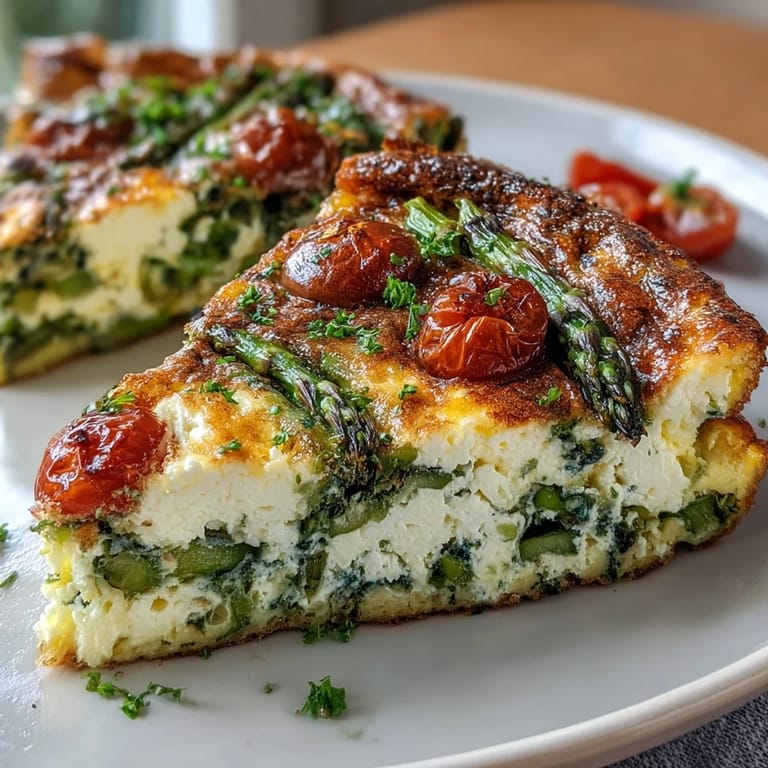
 This frittata somehow became my go-to answer to the question 'what's for dinner,' and I'm never mad about that. It reminds me that the best recipes are the ones that work with you instead of against you, built on fresh ingredients and a technique simple enough to repeat without thinking.
Recipe FAQs
- → What vegetables work best in this frittata?
Spring vegetables like asparagus, spinach, zucchini, and cherry tomatoes are ideal for their tender texture and fresh taste.
- → Can I substitute goat cheese with another cheese?
Yes, creamy cheeses like feta or ricotta complement the vegetables well and maintain a soft texture.
- → How do I prevent the frittata from sticking to the skillet?
Use an oven-safe skillet with a good coating of olive oil, heating it properly before adding vegetables.
- → What is the best way to cook the frittata evenly?
Cook on the stove briefly to set edges, then finish baking in the oven for even, gentle heat that puffs the dish.
- → Can this dish be prepared dairy-free?
Omit the goat and Parmesan cheese and substitute milk with plant-based alternatives to keep it creamy and light.