 Save Pin
 I discovered the magic of umami boards during a late-night cooking session with friends who thought vegetarian appetizers couldn't be exciting. I wanted to prove them wrong, so I raided my pantry for every deep, savory ingredient I could find. The moment I arranged those overlapping mushroom fans and watched their eyes light up, I realized this wasn't just food—it was edible theater. Now, every time I make this board, I remember that night and how a simple platter became a conversation starter.
I'll never forget serving this to my skeptical foodie brother who declared mushrooms boring. When he tasted the sautéed shiitake paired with black garlic and ponzu sauce, his entire face changed. He went back for thirds and asked for the recipe that same night. That's when I knew I'd created something special.
Ingredients
- Shiitake mushrooms: The meaty backbone of this board, they develop a gorgeous golden crust when sautéed and hold their shape beautifully in those elegant fans you're about to create
- King oyster mushrooms: Their sturdy texture means they won't fall apart when you arrange them, and they become naturally buttery when kissed with sesame oil
- Enoki mushrooms: The delicate whisper of texture that adds elegance without any heavy flavors, just a quick blanch keeps them tender
- Sesame oil: Don't skip the toasted variety—it's the foundation of deep, nutty flavor that makes people ask what you did differently
- Soy sauce or tamari: The umami anchor that ties everything together, drawing out the natural savory notes in the mushrooms
- Mirin: This touch of sweetness rounds out the salty-savory profile in a way that feels sophisticated, though you can skip it if you prefer pure umami
- Roasted seaweed snacks: These create visual drama and deliver ocean-deep flavor that makes guests feel like they're eating something adventurous
- Seasoned seaweed salad: Already dressed and ready, it adds a salty punch and interesting texture variation to your board
- Nori strips: Cut them fresh just before serving so they stay crispy—they're the textural contrast that keeps everything interesting
- Pickled daikon radish: The bright, sharp note that cuts through richness and cleanses your palate between bites
- Pickled ginger: A whisper of heat and vinegar that adds complexity without overwhelming the delicate balance
- Edamame: Steamed and salted, they're the humble protein that makes this feel complete and satisfying
- Black garlic cloves: These sweet, tangy gems are umami powerhouses that look mysterious and taste like pure concentrated goodness
- Fermented black beans: Rinse them well to control the saltiness, then let their funky, intense flavor be the secret weapon guests can't quite identify
- Roasted cashews or peanuts: The crunch factor that keeps your board texturally interesting and adds richness in the best way
- Fried shallots: These stay crispy longer than you'd expect and add a sweet-savory depth that makes people want to sprinkle them on everything
- Fresh coriander and chives: Fresh herbs brighten everything at the last moment, adding aromatic freshness that balances all those deep, dark flavors
- Red chili: Optional but worth including—just a few thin slices add visual heat and a gentle kick that ties the whole board together
- Ponzu sauce: Bright, citrusy, and complex, it's the perfect dipping companion that doesn't overwhelm delicate flavors
- Spicy sesame dressing: Creamy, nutty, and with just enough heat to make your taste buds sit up and pay attention
Tired of Takeout? 🥡
Get 10 meals you can make faster than delivery arrives. Seriously.
One email. No spam. Unsubscribe anytime.
Instructions
- Prepare the star ingredient:
- Heat your sesame oil in a skillet over medium-high heat until it shimmers and fills your kitchen with that toasty, irresistible aroma. Add your sliced shiitake and king oyster mushrooms, and don't be tempted to stir constantly—let them sit for a minute or two to develop that golden, caramelized crust that's going to make this special. After about four to five minutes, when they're tender inside and gorgeously browned outside, add your soy sauce and mirin, toss everything together gently, and give it one final minute on the heat. The sauce will cling to the mushrooms beautifully, creating this glossy, appetizing finish. Remove from heat and let them cool while you handle the other components.
- Blanch the delicate ones:
- Bring a small pot of water to a rolling boil while the main mushrooms cool. Drop in your trimmed enoki mushrooms and count to thirty—that's all they need. Any longer and they'll lose their delicate character. Drain them immediately and spread them on a clean kitchen towel to cool, letting the steam escape so they stay tender rather than mushy.
- Build your canvas:
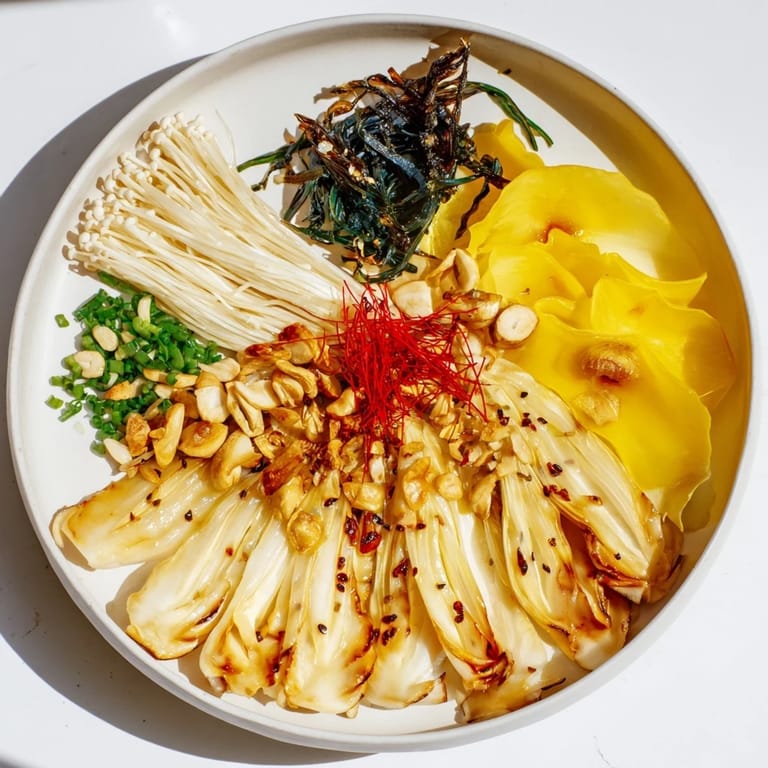
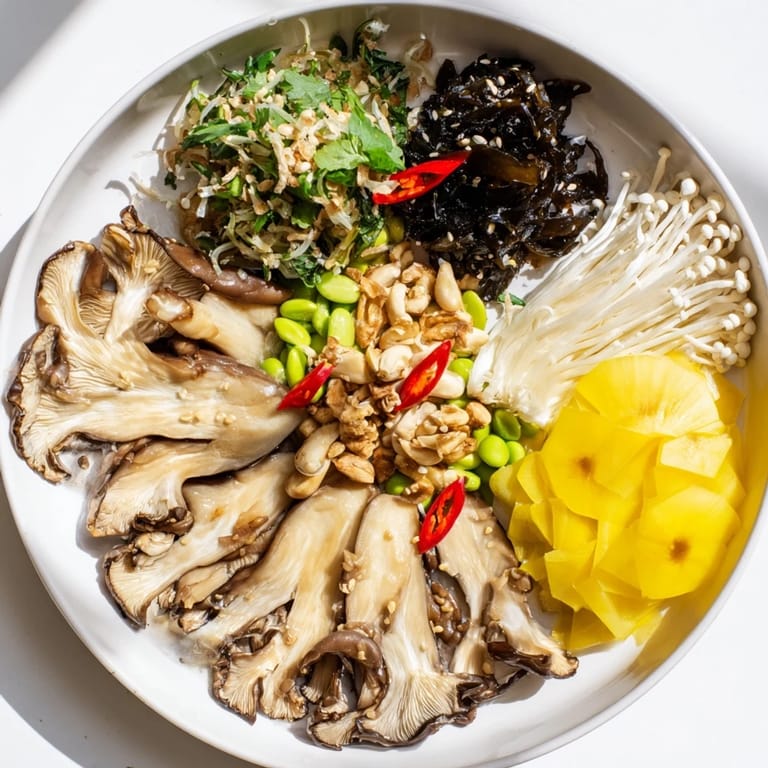
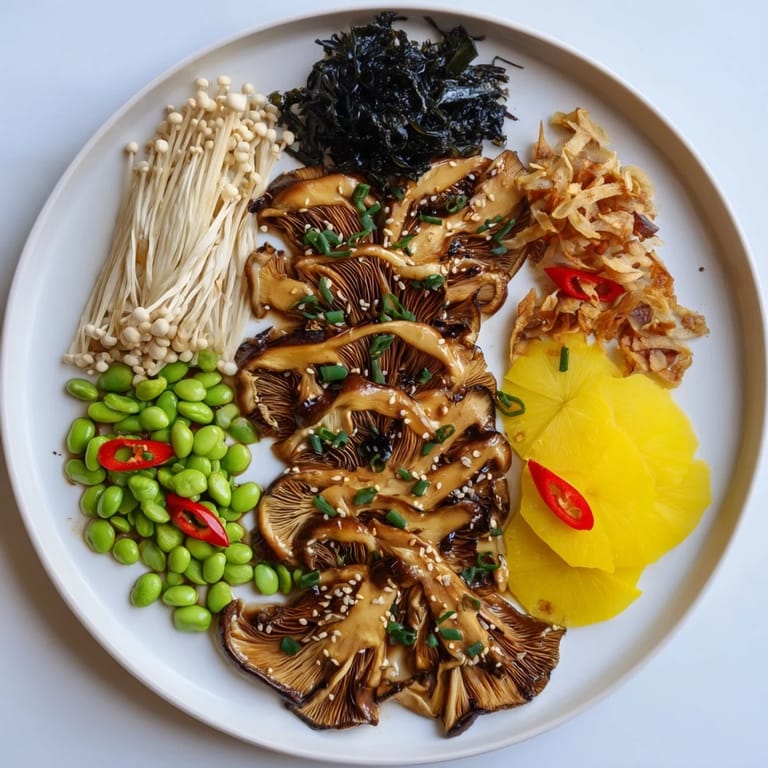
- Find your largest, most beautiful board or platter—this is about to become edible artwork. Start by arranging your cooled sautéed mushrooms in overlapping fan shapes, like you're creating an elegant pattern. Leave spaces between sections because you're going to fill them with color and contrast, not crowd them.
- Create the seaweed section:
- Now arrange your roasted seaweed snacks in another fan shape, placing nori strips between them for visual drama. Add the seaweed salad in its own little cluster nearby—it'll catch the light beautifully and show your guests you've thought about this presentation.
- Fill the spaces with treasures:
- In the pockets of space you've left, arrange small piles of your umami accents—pickled daikon, pickled ginger, edamame, black garlic, and fermented black beans. Each should be in its own little section so guests can taste them individually or combine them as they like. This is where your board goes from pretty to Instagram-worthy.
- Scatter the finishing touches:
- Now for the fun part—sprinkle roasted cashews and fried shallots over the entire board, giving it textural interest and little bursts of crunch. Scatter fresh coriander leaves and chopped chives across the top like confetti, add your red chili slices if using them, and step back to admire what you've created.
- Set up the accompaniments:
- Pour your ponzu and spicy sesame dressing into small bowls and nestle them into any remaining spaces on your board. They should look like they belong there, not like an afterthought.
- The final moment:
- Serve immediately while everything is still at its textural best—the nuts are still crispy, the herbs are still vibrant, and the whole board is practically glowing with possibility. Encourage your guests to treat it like a flavor adventure, combining ingredients as they dip and taste.
 Save Pin
 I made this board for my grandmother last summer, and watching her carefully taste each combination—trying the black garlic with ponzu, then the fermented beans with the sesame dressing—made me realize this wasn't just appetizing to look at. It was a way of showing someone you've thought about their palate and your respect for good flavors. She keeps asking when I'm making it again.
The Art of the Umami Board
Umami is the fifth taste, the one that makes your mouth water and makes you want another bite immediately. It's not salty, sweet, sour, or bitter—it's the savory depth that comes from ingredients like mushrooms, soy sauce, aged ingredients like black garlic, and fermented foods like miso and black beans. When you put them all together on one board, you're not just serving food; you're giving people an education in flavor that feels indulgent and exciting. The key is balance—make sure you have something bright and acidic like the pickled vegetables to cut through the richness, something with heat like the chili to keep things interesting, and something herbaceous like the fresh coriander to bring everything back to earth.
Making This Your Own
This board is a framework, not a blueprint. If you love portobello mushrooms more than shiitake, use them instead. If you find a seaweed variety you adore, make it the star. I've made versions with grilled tofu added for protein, with tempeh that's been marinated in miso paste, even with some crispy vegetable chips for extra texture. The beauty of this approach is that you learn to taste and adjust as you go, understanding how flavors work together and trusting your own instincts about what belongs on your board.
Pairing and Serving Moments
This board shines when you serve it with intention. Pair it with chilled sake if you want something elegant, or green tea if you want to keep things light and focused on the flavors. I've even served it at casual game nights with cold beer, and it held its own beautifully. The key is that it's meant to be interactive—set it down in the center of the table, give everyone small plates, and let them create their own flavor combinations. It becomes less about eating and more about exploring together, and that's when the real magic happens.
- Consider setting out small plates and chopsticks to make it feel intentional and elegant, even if it's casual
- Keep extra napkins nearby because fried shallots and sesame dressing can get messy in the best way
- If you're serving this as part of a larger meal, remember it's rich and satisfying, so lighter main courses work better alongside it
 Save Pin
 Every time I make this board, I'm reminded that the most memorable meals aren't always complicated—they're the ones where you've taken time to think about flavors and presentation with real care. This one does both beautifully.
Recipe FAQs
- → How do I prepare the mushrooms for this dish?
Sauté shiitake and king oyster mushrooms in sesame oil with soy sauce and mirin until golden. Blanch enoki mushrooms briefly, then cool before arranging.
- → What are good alternatives for the mushrooms?
You can substitute shiitake and king oyster mushrooms with portobello, maitake, or your preferred varieties for similar earthiness.
- → Can this be adapted for a vegan diet?
Yes. Use plant-based soy sauce or tamari, ensure pickles and sauces are free from animal products, and add grilled tofu or marinated tempeh for protein.
- → What dipping sauces accompany the board?
Ponzu sauce offers a citrusy tang, while a spicy sesame dressing adds rich heat; both complement the umami-packed ingredients.
- → How should I arrange the ingredients on the board?
Arrange mushrooms and seaweed snacks in overlapping fans. Fill gaps with pickled daikon, ginger, edamame, black garlic, and fermented beans. Scatter nuts, fried shallots, fresh herbs, and chili slices for texture and color.