 Save Pin
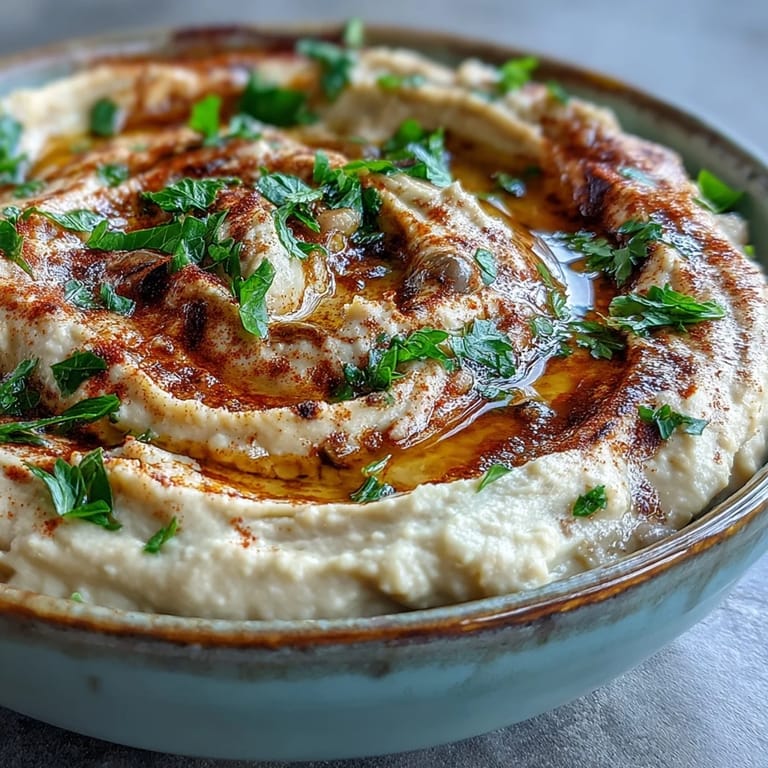
 Black-eyed peas aren't just a lucky tradition; they are the foundation of this incredibly creamy and nutrient-dense hummus. Swapping traditional chickpeas for these earthy legumes creates a velvety spread that is rich in protein and packed with flavor. Infused with nutty tahini, bright lemon, and a hint of cumin, this dip is a refreshing update to a classic Middle Eastern-inspired favorite.
Save Pin Whether you are hosting a gathering or simply looking for a healthy snack to keep in the refrigerator, this black-eyed pea hummus delivers a satisfying texture. Its mild, slightly nutty profile makes it a fantastic canvas for various garnishes, from smoky paprika to vibrant fresh parsley.
Ingredients
Tired of Takeout? 🥡
Get 10 meals you can make faster than delivery arrives. Seriously.
One email. No spam. Unsubscribe anytime.
- Legumes: 2 cups cooked black-eyed peas (or 1 can, drained and rinsed)
- Tahini Mixture: 1/3 cup tahini, 2 tbsp extra virgin olive oil, 2 tbsp fresh lemon juice (about 1 lemon), 1 clove garlic (minced), 1/2 tsp ground cumin, 1/2 tsp salt, 2–4 tbsp water (as needed for consistency)
- Garnish (optional): 1 tbsp olive oil, 1/2 tsp smoked paprika or sumac, 2 tbsp chopped fresh parsley
Instructions
- Step 1
- In a food processor, combine the black-eyed peas, tahini, olive oil, lemon juice, garlic, cumin, and salt.
- Step 2
- Blend until smooth, scraping down the sides as needed with a spatula.
- Step 3
- Add water, one tablespoon at a time, until the hummus reaches your desired creamy consistency.
- Step 4
- Taste and adjust seasoning with more salt or lemon juice if needed.
- Step 5
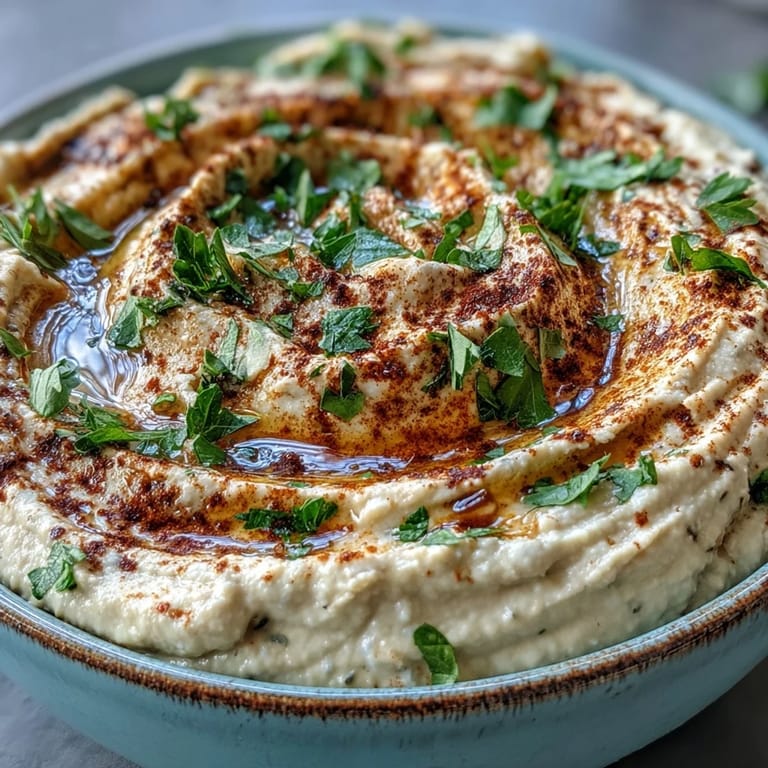
- Transfer to a serving bowl. Drizzle with olive oil and sprinkle with paprika or sumac and parsley, if desired.
- Step 6
- Serve with fresh vegetables, pita bread, or as a spread.
Zusatztipps für die Zubereitung
To ensure the smoothest result, make sure the black-eyed peas are very soft. If using canned peas, rinsing them thoroughly helps remove excess sodium and improves the final flavor of the dip.
Varianten und Anpassungen
For a deeper, smoky flavor, you can add 1/2 teaspoon of smoked paprika directly into the blend. If you prefer a different citrus profile, lime juice can be used as a zesty substitute for the lemon juice.
Serviervorschläge
This hummus is best served with a platter of fresh vegetables like carrots and cucumbers, or warm pita bread. For those following a gluten-free diet, it pairs excellently with gluten-free crackers or as a hearty spread on grain-free toast.
 Save Pin
 Enjoy this wholesome and flavorful homemade black-eyed pea hummus as a staple in your plant-based recipe collection!
Recipe FAQs
- → Can I use dried black-eyed peas instead of canned?
Yes, you can use dried black-eyed peas. Soak them overnight, then cook until tender before using. This method allows you to control the sodium content and often results in a fresher flavor profile.
- → How do I achieve the smoothest consistency?
Blend the ingredients longer, stopping occasionally to scrape down the sides of the food processor. Adding the water gradually helps achieve your desired creaminess. For extra smooth results, you can peel the cooked black-eyed peas before blending.
- → What can I substitute for tahini?
If you have a sesame allergy, you can substitute with sunflower seed butter or cashew butter. These alternatives provide similar creamy textures while maintaining the rich, nutty foundation of the spread.
- → How long will this keep in the refrigerator?
Store in an airtight container in the refrigerator for up to 4 days. The flavors often develop and meld together over time, making it even more delicious the next day. Bring to room temperature before serving.
- → Can I freeze black-eyed pea hummus?
Yes, freeze in portions for up to 3 months. Thaw overnight in the refrigerator and stir well before serving. You may need to add a splash of lemon juice or olive oil to refresh the texture after thawing.