 Save Pin
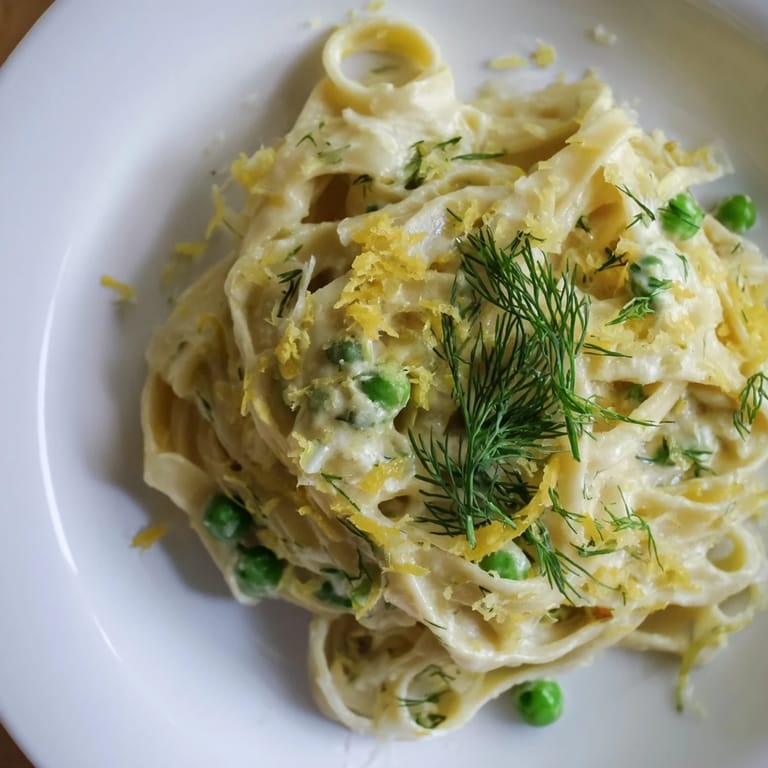
 There's something about the smell of lemon zest hitting hot butter that stops you mid-thought. I discovered this pasta on a quiet Tuesday evening when I had cream, fresh dill, and the kind of restless energy that needed feeding. What started as "I'll just make something simple" turned into one of those dishes that tastes expensive but asks almost nothing of you. The brightness of lemon and the whisper of dill transformed what could have been heavy into something that feels like spring on a plate.
I made this for a friend who'd just moved to the city and was eating takeout every night. She sat at my small kitchen table watching steam rise from the pan, and when she took the first bite, she actually closed her eyes. She asked for the recipe before she even finished eating. Now I think of her whenever I cook it, how sometimes the simplest gestures—a homemade meal, fresh dill stirred in at the end—can remind someone they're not alone.
Ingredients
- Pasta (350 g / 12 oz): Use whatever shape speaks to you—fettuccine lets the sauce cling beautifully, but linguine and penne work just as well. The starch from pasta water is your secret weapon for a silky sauce, so reserve it before draining.
- Unsalted butter (2 tbsp): This is your foundation; it should taste pure and sweet, not like a car lot. Butter carries flavor in ways oil simply can't.
- Garlic (2 cloves, minced): Fresh garlic matters here—the old stuff sitting in your pantry will taste tired by comparison.
- Lemon zest and juice: Zest the lemon before you cut it in half, and use fresh lemon juice, never the bottled kind. This is where brightness lives.
- Heavy cream (200 ml / ¾ cup plus 1 tbsp): Don't skip this or substitute it rashly; the fat content is what makes the sauce cling and sing.
- Dijon mustard (1 tsp): A tiny amount adds complexity and prevents the sauce from tasting one-dimensional.
- Parmesan cheese (40 g / 1½ oz, grated): Freshly grated if you have it; pre-grated cheese coats itself in anti-caking agents that make it grainy.
- Fresh dill (3 tbsp, plus extra for garnish): This herb is the soul of the dish. Add it at the end so it stays bright and alive.
- Salt and black pepper: Start conservative—you can always add more, but you can't take it back.
Tired of Takeout? 🥡
Get 10 meals you can make faster than delivery arrives. Seriously.
One email. No spam. Unsubscribe anytime.
Instructions
- Start the pasta:
- Bring a large pot of salted water to a rolling boil. The water should taste like the sea—this is the only seasoning the pasta itself gets. Cook according to the package directions until al dente, which means it should have a slight resistance when you bite it, not chalky and not mushy. Before you drain, scoop out about ½ cup of that starchy cooking water and set it aside.
- Build the sauce base:
- While the pasta is cooking, melt butter in a large skillet over medium heat. Once it's foaming gently, add your minced garlic and lemon zest. You'll notice the kitchen smelling different almost immediately—that's the signal it's working. Sauté for just about a minute, stirring occasionally, until the smell becomes almost heady.
- Add the cream:
- Pour in the heavy cream, followed by the fresh lemon juice and Dijon mustard. The cream will be pale and thick when it first hits the warm pan, but that's normal. Let it simmer gently for 2 to 3 minutes, giving it an occasional stir. You're looking for it to thicken just slightly and start to look a little more luxurious.
- Finish the sauce:
- Scatter in the grated Parmesan, salt, and pepper. Stir constantly as it melts, watching the sauce become smooth and velvety. Taste a tiny spoonful (careful, it's hot) and adjust seasoning if needed. You want to taste the lemon, feel the salt, and know the butter is doing its job.
- Bring it together:
- Add the drained pasta directly to the skillet and start tossing gently. The sauce will look a bit tight at first, but that's where your reserved pasta water comes in. Add it a splash at a time, tossing between additions, until the pasta is coated in a glossy, silky sauce. It should move smoothly when you stir, not stick or look greasy.
- Final touch:
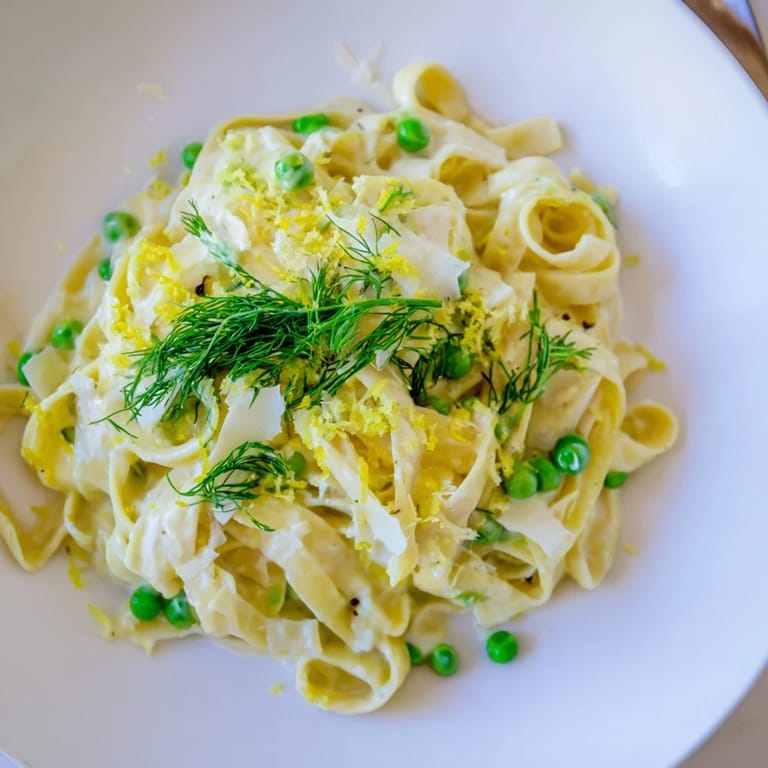
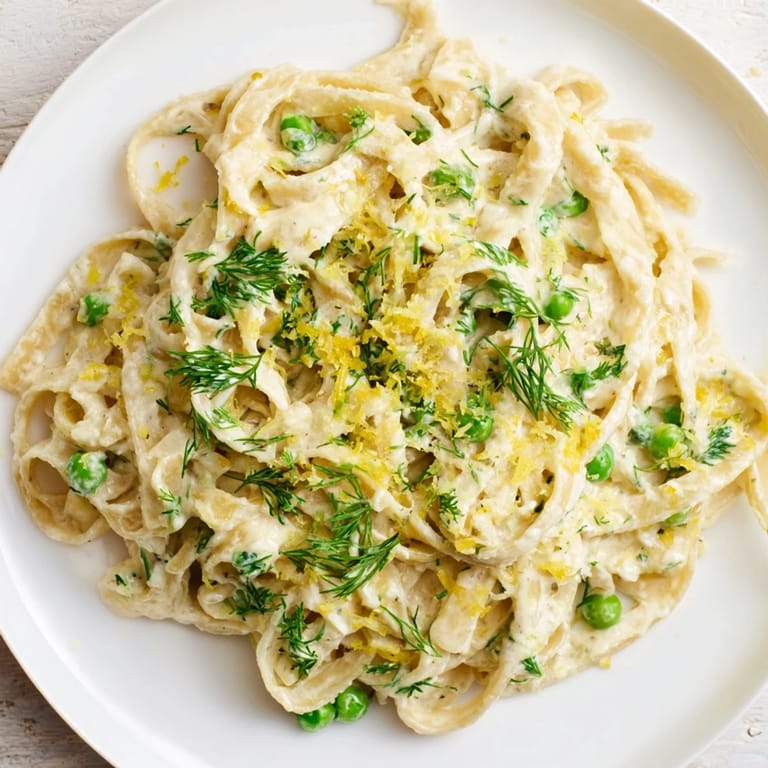
- Stir in the fresh dill and peas if you're using them. Toss everything together until heated through and the dill is distributed. Take one more taste for salt and pepper. Serve immediately in warm bowls, with extra dill scattered on top and smoked salmon if that's your thing.
 Save Pin
 I once made this for my roommate who was struggling with a bad relationship. She didn't want to talk about it, just wanted to sit quietly and eat something that didn't ask anything of her. Sometimes food is medicine, not for the body but for the spirit. That's what this dish does—it wraps you in something warm and gentle when you need it most.
The Soul of Simplicity
This dish works because it doesn't try too hard. The cream is there, but it's kept in check by lemon and dill. The Parmesan adds depth without heaviness. Every element does one job and does it well. There's a lesson in cooking that applies to life too: sometimes the most beautiful things come from restraint, from knowing exactly what you need and nothing more.
Playing With What You Have
Fresh dill is the ideal, but if your grocery store has that sad dried herb in little jars, you can use it in a pinch—just use a third as much since it's concentrated. I've made this with tarragon once when dill wasn't available, and it gave the dish a completely different personality, more peppery and mysterious. The beauty of a simple sauce is that it's a canvas. You can add sautéed asparagus, a handful of peas, even some smoked salmon if you want something more substantial.
Make It Your Own
Some versions of this live in my memory with variations that surprised me. One night I had white wine instead of all cream, so I used less cream and added the wine, which made the sauce taste brighter and more wine-forward. Another time I whisked in an egg yolk at the very end (carefully, so it didn't scramble) for richness that felt almost illicit. The foundation is strong enough that you can play, as long as you respect the balance.
- For a lighter version, swap half the heavy cream for half-and-half or even a splash of whole milk.
- If you have fresh herbs like parsley or tarragon, toss some in alongside the dill for complexity.
- Smoked salmon adds luxury, but so do caramelized mushrooms or crispy sage if you want to stay vegetarian.
 Save Pin
 This pasta reminds me why I cook in the first place. It's not about being complicated or impressive; it's about the small moment of care, the choice to nourish yourself or someone else with something real. Serve it while it's hot, with good company or good thoughts, and let it do its quiet work.
Recipe FAQs
- → What type of pasta is best for this dish?
Fettuccine, linguine, or penne work well, as they hold the creamy sauce effectively.
- → Can I substitute heavy cream for a lighter option?
Yes, half-and-half can be used for a lighter texture without sacrificing too much richness.
- → How is the fresh dill best incorporated?
Chop the dill finely and stir it into the sauce right before serving to preserve its bright flavor.
- → Is it possible to make this dish vegetarian-friendly?
Omit smoked salmon and Parmesan or replace with vegetarian alternatives to keep it vegetarian-friendly.
- → What additions enhance the flavor and texture?
Adding peas, sautéed mushrooms, or asparagus brings extra color and freshness to the dish.