 Save Pin
 The first time I baked dandelion honey scones, a beam of sunlight danced across the counter, catching the golden hue of the honey as I poured it into the bowl. I hadn’t planned on making scones that afternoon, but the sight of wild dandelions outside my window felt like a gentle nudge toward something a little special. The kitchen filled with a sweet, grassy scent that felt unmistakably spring. It’s the kind of recipe that beckons you to linger—each step slow and intentional, almost meditative. These scones quickly became my favorite excuse to pause and enjoy a quiet moment.
I remember one rainy Saturday, baking these scones for a friend who came over drenched and shivering. We chatted as I worked, her laughter mixing with the sound of rain on the glass, and by the time the scones came out of the oven, the kitchen felt cozy and bright. We tore open the warm, crumbly scones and smeared them with clotted cream, both of us grinning as honey dripped onto our fingers. That afternoon, the scones were more than just a snack—they felt like a remedy for gray skies. It became a ritual for whenever anyone needed cheering up.
Ingredients
- All-purpose flour: Gives the scones their tender crumb—make sure to measure it properly for the lightest texture.
- Granulated sugar: Just enough to sweeten without overpowering the honey's subtle flavor.
- Baking powder: Ensures the scones rise tall and golden every time, but don’t skip the leveling step for accuracy.
- Fine sea salt: Balances sweetness and brings out the honey’s floral notes.
- Cold unsalted butter: Cubed and chilled butter is crucial for those perfect flaky layers; work quickly to keep it cold.
- Dandelion honey (or mild-flavored honey): Offers a delicate sweetness and a hint of wildflower—if you can’t get dandelion, use the mildest honey you have.
- Whole milk: Adds richness and moisture, helping the dough come together smoothly.
- Egg: Binds the ingredients and helps give the scones their golden hue.
- Dandelion honey, for drizzling: A little extra for serving—don’t skip it for the full effect.
- Clotted cream: Essential for classic British tea; rich and thick, it melts into the warm scone.
Tired of Takeout? 🥡
Get 10 meals you can make faster than delivery arrives. Seriously.
One email. No spam. Unsubscribe anytime.
Instructions
- Preheat and Prepare:
- Set your oven to 400°F (200°C) and line your baking sheet with parchment paper so nothing sticks and cleanup is easy.
- Mix Dry Ingredients:
- In a large bowl, whisk together flour, sugar, baking powder, and salt—the gentle whirring sound always signals the start of something good.
- Cut in the Butter:
- Toss in cold, cubed butter and cut it through the dry mix until you have coarse crumbs—use your fingertips for that satisfying sandy texture.
- Whisk the Wet Ingredients:
- In a separate bowl, blend honey, milk, and the egg until smooth and creamy; the honey will make the mix shimmer.
- Combine Wet and Dry:
- Pour the wet mix into the dry, then stir gently—stop once the dough just starts to hold together, resisting the urge to overmix.
- Shape the Dough:
- Flour your counter lightly, turn out the dough, and gently pat it into a round about an inch thick—the dough should feel cool and soft.
- Cut and Arrange:
- Press out rounds with a cutter, nestling each scone onto the baking sheet; the scraps come together for an extra treat.
- Brush and Bake:
- Brush the tops with a little milk and slide them into the oven, watching for their golden glow after 12–15 minutes.
- Cool and Serve:
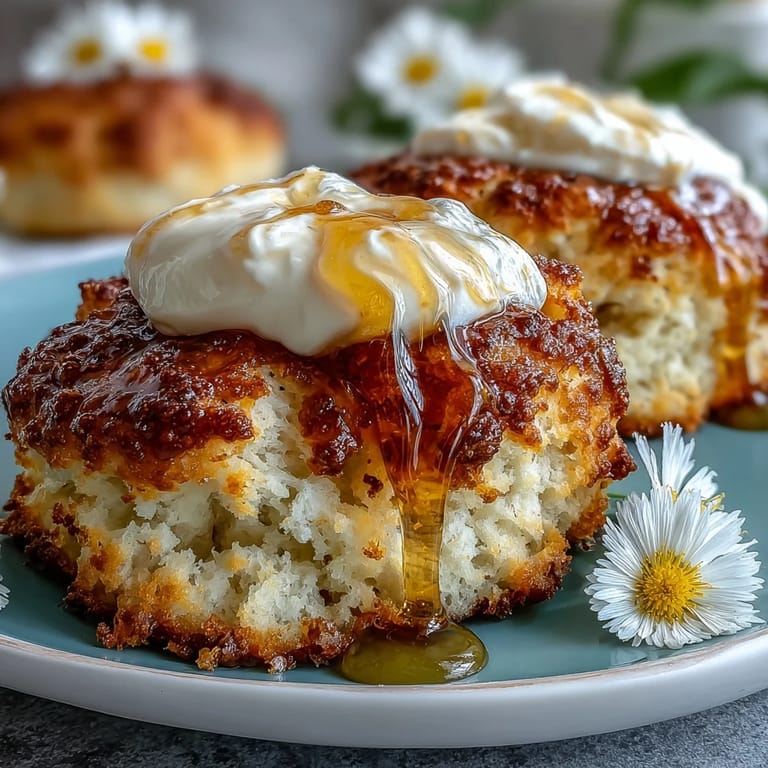
- Let the scones rest on a wire rack, then pile them onto a plate, ready for clotted cream and a drizzle of honey.
 Save Pin
 The day I baked these for a neighbor’s spring brunch is still vivid: after the first bite, she exclaimed that the honey tasted like sunshine. Scones became part of our ‘good morning’ ritual whenever we spotted dandelions popping up in the grass outside. Suddenly, humble ingredients and a little effort felt celebrated, and the morning seemed brighter. The scones made their own memories—people lingered at the table longer, sipping tea and chatting between bites. Sometimes the simplest things create the most lasting impressions.
How to Achieve Perfect Fluffiness
One trick I’ve learned is to keep every ingredient cold—especially the butter—which helps prevent scones from spreading too much and keeps them tall and airy. Don’t be afraid to work the dough lightly; you can always patch it if it feels a bit ragged, but never knead. The aroma as they bake is unmistakable: sweet, buttery, and faintly floral. If you want extra height, let the cut rounds rest for five minutes before baking. That pause seems to make all the difference in their lift.
Choosing the Right Honey
Dandelion honey isn’t always easy to find, so I’ve experimented with acacia, orange blossom, and even simple wildflower blends. Mild honey lets the natural sweetness shine without overwhelming the scone. Taste your honey first: the subtle grassy note pairs beautifully with clotted cream. If you like a floral hint, sprinkle dried dandelion petals into the flour—just a teaspoon makes the scones feel like spring on a plate. Sampling different honeys turned baking into a tiny taste adventure each time.
Tea Time Serving Tips
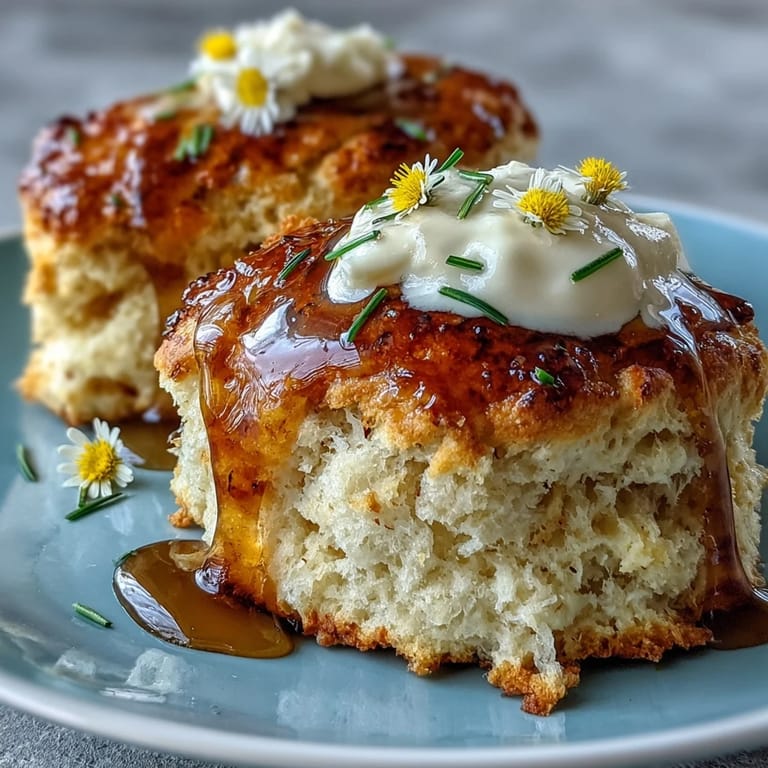
Serving these scones warm is non-negotiable for full melt-in-your-mouth effect, but you can always reheat them in a low oven for freshness. Clotted cream should be slightly chilled so it holds its shape but soft enough to spread easily. Try pairing with a fresh pot of Earl Grey or even herbal chamomile for a gentle contrast. Honey drizzled just before serving means everyone gets the freshest sweetness.
- Slice scones gently to avoid crumbling.
- Use a small spoon for honey to control the drizzle.
- Keep cream and honey handy for seconds.
 Save Pin
 Even on a busy day, taking time for these scones feels like an invitation to slow down and savor something special with friends. Next time you spot wild dandelions in the yard, consider letting them inspire your baking.
Recipe FAQs
- → How can I substitute clotted cream?
Use thick crème fraîche or mascarpone for a similar creamy texture and richness.
- → What flour works best for these scones?
All-purpose flour provides a light, tender crumb. Self-rising flour can be used with reduced baking powder.
- → Can I add floral notes to the scones?
Add 1 teaspoon dried dandelion petals to the dry ingredients for a subtle floral flavor.
- → Are these scones suitable for vegetarians?
Yes, the ingredients are vegetarian-friendly. Check cream and honey labels for traces of allergens.
- → How should the scones be served?
Serve warm or at room temperature with clotted cream and a drizzle of dandelion honey for extra sweetness.
- → How long can the scones be stored?
Store in an airtight container for up to 2 days. For freshness, serve immediately after baking.