 Save Pin
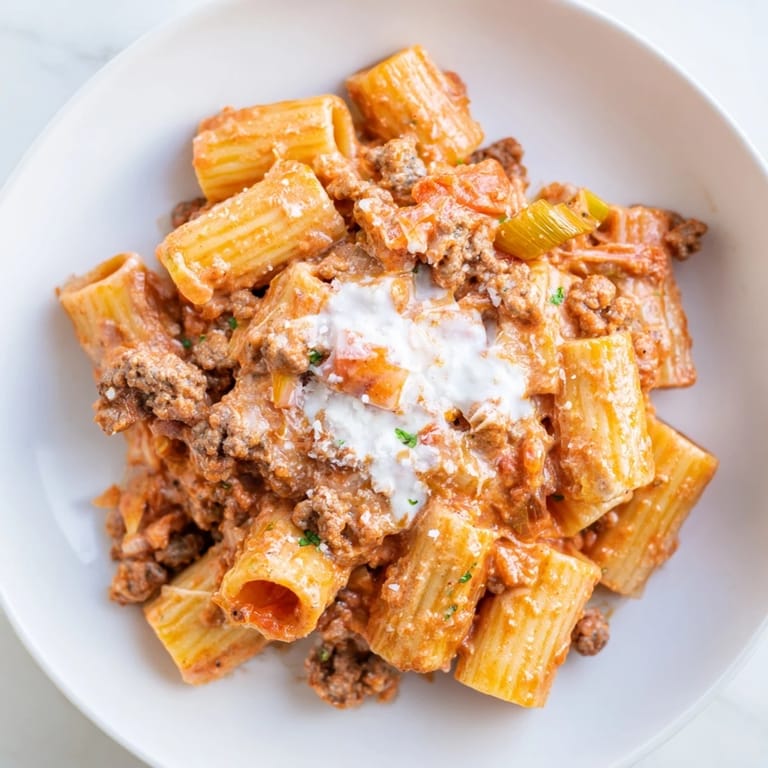
 I stumbled onto this dish by accident one Tuesday night when I had leftover kimchi in the fridge and a craving for something creamy and comforting. The idea hit me mid-chop: what if I treated kimchi like an Italian soffritto, letting it meld into a ragu that tasted nothing like either cuisine alone? The first bowl was messy, loud with flavors, and absolutely magnetic. Now it's the dish I make when I want to feel like I'm cooking with intention, blending two worlds that somehow just work.
The first time I served this to friends, someone asked if it was trendy fusion food, and I laughed because it wasn't planned that way at all. But watching them twirl their forks and go quiet for a moment, then come back for seconds, made me realize this wasn't an accident—it was something worth repeating. That's when I knew I had to nail down the recipe.
Ingredients
- Ground pork (300 g): The base of your ragu, ready to absorb all the kimchi spice and umami. Beef works just as well, or mix them for extra depth.
- Napa cabbage kimchi (200 g, chopped, plus 2 tbsp juice): This is your secret weapon—the fermented funk and heat transform a simple sauce into something unforgettable. Use kimchi that's been sitting in the fridge for a few days; aged kimchi brings sharper flavor.
- Onion, carrot, and celery (1 onion, 1 carrot, 1 stalk): Your aromatic foundation, finely diced so they melt into the sauce rather than sit as chunks.
- Garlic (2 cloves, minced): The bridge between Italian and Korean, blooming in hot oil before everything else goes in.
- Crushed tomatoes (400 g can): Italian tomato sauce meets Korean ferment in this jar—it's what keeps the sauce from tilting too far in either direction.
- Heavy cream (120 ml): The silky finish that rounds out all that spice and funk. Coconut cream works beautifully if you need dairy-free.
- Olive oil (2 tbsp): Your cooking fat, neutral enough not to compete with everything else happening.
- Soy sauce (1 tbsp): The umami anchor that makes both cuisines feel natural in the same bowl.
- Rigatoni or penne (350 g): Short shapes hold onto the creamy sauce better than long pasta would.
- Gochugaru (1 tsp, optional): Extra Korean chili flakes for when you want more heat than the kimchi alone provides.
- Sugar (1 tsp): A small gesture to balance the acidity and fermented bite.
- Salt and black pepper: Taste as you go; kimchi and soy are already salty, so go gentle.
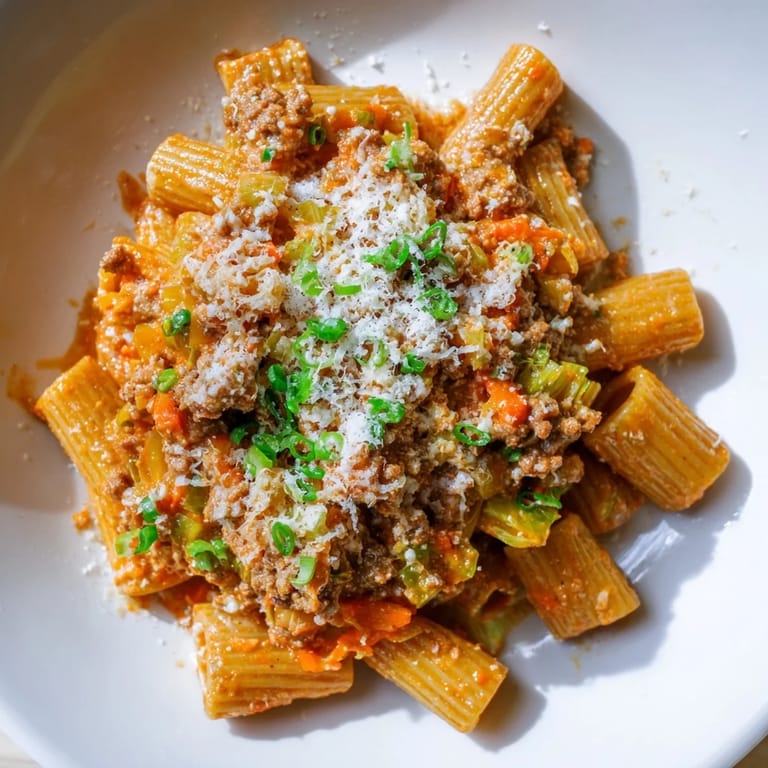
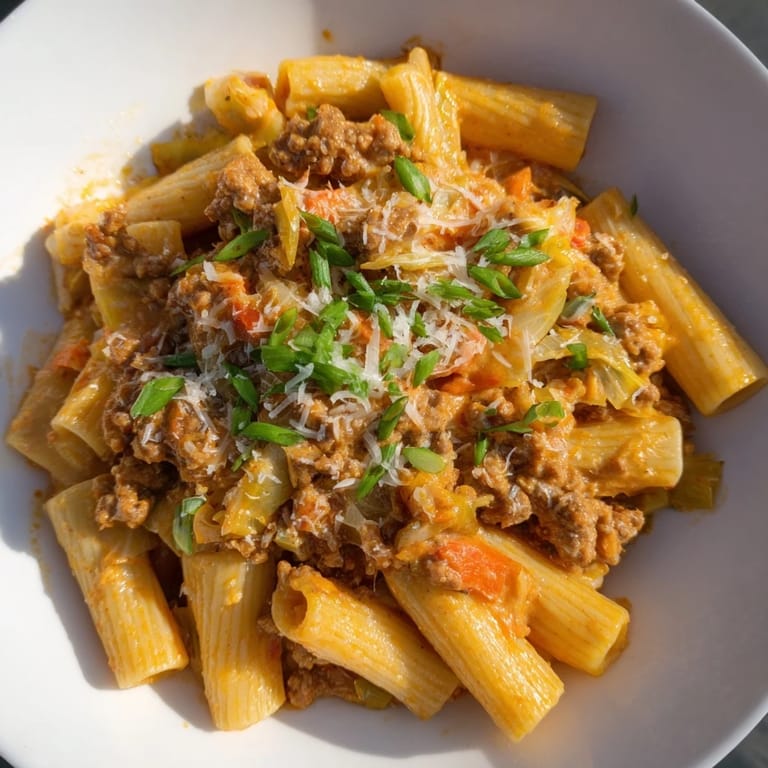
- Scallions and Parmesan (2 tbsp scallions, 25 g cheese): The final garnish that makes every bowl feel finished and intentional.
Tired of Takeout? 🥡
Get 10 meals you can make faster than delivery arrives. Seriously.
One email. No spam. Unsubscribe anytime.
Instructions
- Soften your aromatics:
- Heat olive oil in a large skillet over medium-high heat. Add onion, carrot, and celery, and let them cook for about 5 minutes until they're soft and starting to turn golden. You're building the floor for everything else.
- Wake up the garlic:
- Add minced garlic and stir constantly for just 1 minute—you want it fragrant but not brown, or it'll turn bitter and harsh.
- Brown the meat:
- Crumble the ground pork into the pan and cook for 6 to 7 minutes, breaking it up with a wooden spoon as it cooks. You're looking for no pink left and a few browned edges that add flavor.
- Add the kimchi:
- Stir in the chopped kimchi and its juice, then sauté for 3 to 4 minutes. The kimchi will soften and release its flavor into the oil and meat.
- Build the sauce:
- Pour in crushed tomatoes, soy sauce, gochugaru if using, and sugar. Add a pinch of salt and pepper, then let everything simmer uncovered for 15 to 20 minutes, stirring now and then. The sauce will deepen in color and thicken as it reduces.
- Cook your pasta:
- While the ragu simmers, boil salted water in another pot and cook rigatoni or penne to al dente. Before draining, scoop out about 100 ml of starchy pasta water—this is liquid gold for loosening the sauce later.
- Finish with cream:
- Lower the ragu heat to low. Stir in heavy cream and half the reserved pasta water, stirring until everything is creamy and cohesive. Taste and adjust salt and pepper.
- Bring it together:
- Add the drained pasta to the ragu and toss to coat, adding more pasta water as needed if the sauce feels too thick. You want it to flow silkily around each piece of pasta.
- Serve and garnish:
- Divide into bowls, top with scallions and Parmesan if you like, and eat while it's hot and steaming.
 Save Pin
 The moment that sold me on this dish was hearing someone say, out of nowhere, that it reminded them of their grandmother's cooking—except different. I realized then that fusion isn't about confusion; it's about two traditions speaking the same language at the table.
Why This Works
Italian ragu and Korean fermented flavors seem miles apart until you taste them together. The tomato's acidity calms the kimchi's heat, while the kimchi's funk gives the tomato a sharp, fermented edge that makes the whole dish feel alive. Soy sauce and cream tie them together, and pasta becomes the neutral canvas where both cuisines live equally.
Flavor Tweaks for Your Taste
This recipe thrives on adjustment. If you love heat, add more gochugaru or use extra-spicy kimchi. Prefer it milder? Use less kimchi juice or skip the gochugaru entirely. Want earthiness? Swap coconut cream for heavy cream and add a pinch of smoked paprika. The beauty is that everything is flexible as long as you taste as you go.
Serving and Pairing
This pasta doesn't need much—a simple green salad cuts through the richness, and crusty bread soaks up the sauce like it's meant to. Wine-wise, a chilled Lambrusco's slight fizz and acidity feel natural here, or reach for a fruity Riesling if you want something sweeter to balance the kimchi heat. Don't overthink it; this dish is casual enough to stand alone.
- Serve it straight from the pot if you're cooking for close friends—there's something honest about that.
- Make it ahead and reheat gently; the flavors actually marry better overnight.
- Leftovers transform into a killer pasta bake if you stir in a bit more cream and top with breadcrumbs.
 Save Pin
 This dish proves that the best meals come from happy accidents and willingness to break the rules. Make it tonight, and I promise you'll find yourself making it again.
Recipe FAQs
- → Can I substitute ground pork with other meats?
Yes, you can use ground beef or a 50/50 blend of pork and beef to vary the flavor and texture.
- → How can I make this dish dairy-free?
Replace heavy cream with unsweetened plant-based alternatives or coconut cream for a dairy-free version.
- → What type of pasta works best here?
Rigatoni or penne are ideal as their tube shapes hold the creamy sauce well.
- → How spicy is the dish and can I adjust it?
The spice mainly comes from kimchi and optional gochugaru. You can reduce or omit chili flakes to suit your heat preference.
- → What garnishes enhance the flavors?
Chopped scallions add freshness, and grated Parmesan lends savory depth, though both are optional.
- → Is there a suggested wine pairing?
Try a chilled Lambrusco or a fruity Riesling to complement the fusion of savory and spicy notes.