 Save Pin
 One weeknight, I stood at my stove with a nearly empty pantry and a craving that wouldn't quit. A jar of peanut butter, some noodles, and a bottle of sriracha caught my eye, and something clicked. Twenty minutes later, I had a bowl of silky, spicy noodles that tasted like I'd ordered takeout, except better because it came from my own hands. That meal became a regular thing, especially on nights when time was short but hunger was loud.
I made this for my roommate on a rainy Tuesday, and watching her face light up as she took the first bite reminded me that cooking doesn't need to be complicated to feel like love. She ate it standing at the kitchen counter, barely pausing, and asked if I'd make it again the next night. That's when I knew this recipe was a keeper.
Ingredients
- Dried rice noodles or spaghetti (12 oz): Rice noodles have a delicate chew that carries the sauce better, but spaghetti works if that's what you have on hand.
- Creamy peanut butter (1/2 cup): Smooth is essential here; chunky will make your sauce grainy and uneven.
- Soy sauce (1/4 cup): This is your salt and umami backbone, so don't skip it or substitute it lightly.
- Rice vinegar (2 tbsp): A small amount of acid lifts everything and keeps the sauce from feeling too heavy.
- Toasted sesame oil (1 tbsp): The toasted version has deeper flavor; regular sesame oil tastes thin by comparison.
- Honey or maple syrup (2 tbsp): This balances the heat and salt, creating a sauce that doesn't punch you in the face.
- Sriracha or chili garlic sauce (2-3 tbsp): Start with 2 and taste as you go; spice tolerance varies wildly from person to person.
- Fresh garlic and ginger (2 cloves and 1 tbsp): Fresh is non-negotiable; powdered versions taste stale by comparison and won't dissolve into the sauce the same way.
- Warm water (1/4 cup): You'll likely need a bit more; the sauce should pour easily but still cling to the noodles.
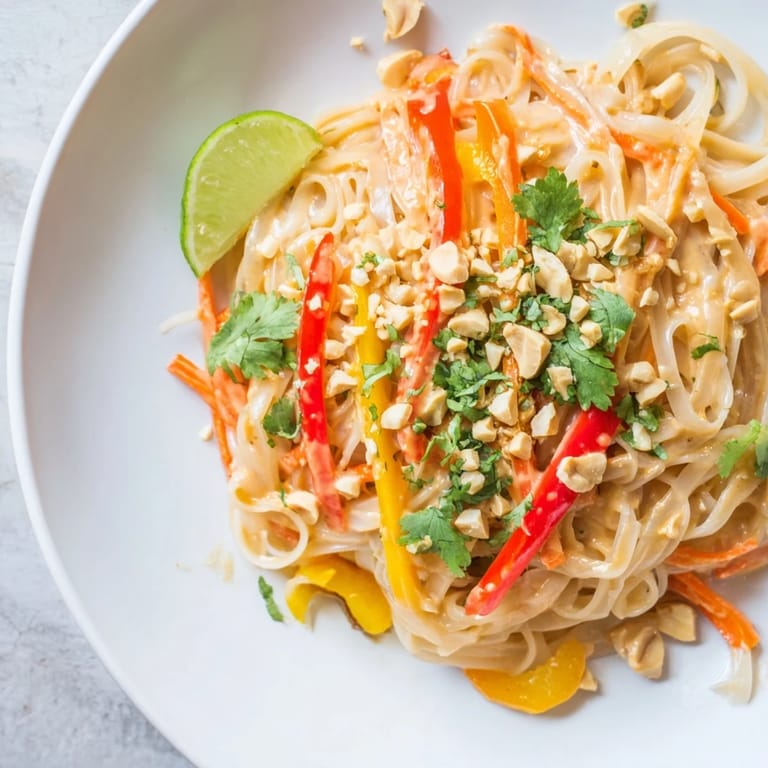
- Shredded carrots (1 cup): Raw carrots add crunch and brightness that cooked vegetables can't match.
- Thinly sliced bell pepper (1 cup): Any color works, but red and yellow are sweeter and look more inviting.
- Scallions, roasted peanuts, fresh cilantro, and lime: These finish the dish and make it feel complete; don't skip them.
Tired of Takeout? 🥡
Get 10 meals you can make faster than delivery arrives. Seriously.
One email. No spam. Unsubscribe anytime.
Instructions
- Boil and cool your noodles:
- Cook them to just tender, then rinse with cold water until they stop steaming. This stops them from cooking further and keeps them from sticking together into a clump.
- Whisk your sauce until silky:
- Peanut butter is stubborn, so take your time and whisk steadily until everything is smooth and the texture looks almost creamy. If it seems thick, add water a tablespoon at a time and keep whisking.
- Combine noodles and vegetables:
- Toss the cold noodles with carrots and peppers first, then pour the sauce over slowly while stirring. This helps the sauce coat everything evenly instead of pooling at the bottom.
- Serve and garnish:
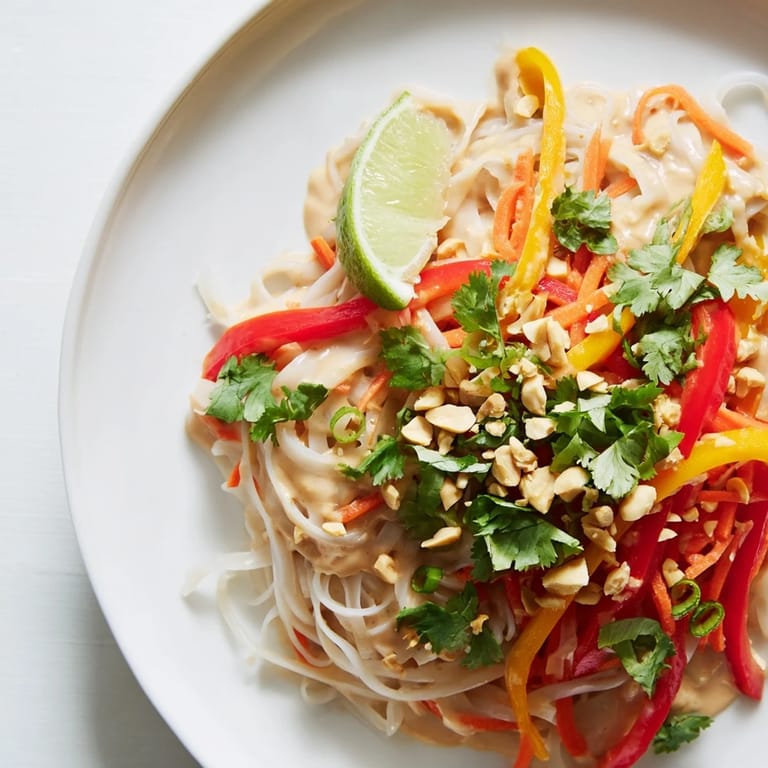
- Divide into bowls, then add a handful of scallions, a scatter of peanuts, fresh cilantro, and a squeeze of lime to each serving. The lime is subtle but crucial; it brightens everything.
 Save Pin
 There's something about a bowl of these noodles that feels like a small act of kindness toward yourself. Hot or cold, alone or with people, it's the kind of meal that makes you feel taken care of.
Heat and Spice
Spice is personal, and this sauce respects that. The heat builds gently if you use sriracha, or hits harder if you go for chili garlic sauce. Start conservative and adjust upward; you can always make it spicier at the table by squeezing more lime or adding a dash of hot sauce, but you can't take heat out once it's mixed in. I've learned this the hard way more than once.
Building Flavor Layers
The magic of this sauce is that it doesn't rely on one flavor to carry it. The sweetness of honey or maple syrup plays against the salty soy sauce, while the sesame oil adds richness and the vinegar keeps everything from feeling cloying. The fresh garlic and ginger bring brightness and a subtle sharpness that rounds everything out. Each component has a job, and together they create something that tastes far more complex than the short ingredient list suggests.
Make It Your Own
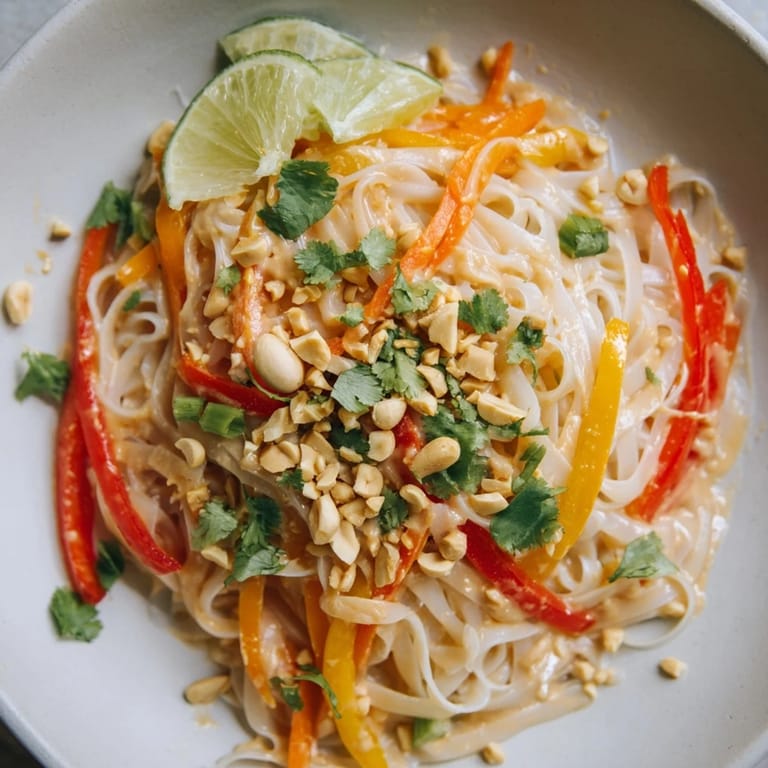
This recipe is a canvas, not a rule. I've made it with crispy tofu, shredded rotisserie chicken, and even hard boiled eggs. I've added cucumber, snap peas, and shredded cabbage when carrots were nowhere to be found. I've even made cold versions for summer picnics and warm versions for winter comfort. The core sauce stays the same, but what you pile on top is entirely up to you and whatever is in your kitchen.
- Add cooked protein like tofu, chicken, shrimp, or a soft-boiled egg for a more filling meal.
- Swap vegetables based on what you have; cucumber, snap peas, and cabbage all work beautifully.
- Use almond or cashew butter if that's what you have, though the flavor will shift slightly.
 Save Pin
 This is the meal I reach for when I need something fast, filling, and undeniably good. It never lets me down.
Recipe FAQs
- → What type of noodles work best?
Rice noodles and spaghetti both absorb the sauce well, offering different textures. Choose gluten-free options if needed.
- → Can I adjust the spice level?
Yes, modify the amount of sriracha or chili garlic sauce to suit your heat preference from mild to extra spicy.
- → How do I make the sauce creamy and smooth?
Whisk peanut butter with warm water, soy sauce, and oils thoroughly until smooth, adding water gradually for desired consistency.
- → Are there protein options to add?
Tofu, cooked chicken, or shrimp can be added for extra protein and texture variations.
- → What garnishes enhance the flavors?
Chopped roasted peanuts, fresh cilantro, scallions, and a squeeze of lime add crunch, freshness, and brightness.