 Save Pin
 There's something about the first cool evening of autumn that makes me crave a bowl of soup so thick and nourishing it feels like a hug from the inside. Wild rice mushroom soup landed on my table years ago when a friend mentioned she'd been building layered flavors all afternoon—starting with the most ordinary vegetables and somehow ending up with something that tasted like a secret. I decided to chase that same magic, learning quickly that patience with the mushrooms and time with the rice were worth every minute.
I made this soup for my neighbor on a gray November afternoon when she'd just moved into the house next door. She sat at my kitchen table watching the mushrooms release their dark liquid into the pan, and by the time I ladled the first bowl, she was already asking for the recipe. That's when I knew this wasn't just comfort food—it was the kind of dish that brings people closer somehow.
Ingredients
- Olive oil: Use a quality oil that you actually enjoy tasting, since it's the base flavor foundation that carries everything forward.
- Yellow onion, celery, and carrots: This holy trinity of aromatics is your flavor scaffold; dice them roughly equal so they soften at the same pace.
- Garlic cloves: Fresh minced garlic wakes up the soup right before the herbs arrive, so don't skip the freshness even if you're in a hurry.
- Fresh thyme and rosemary: These woody herbs define the entire character of the soup, so use fresh if you possibly can—dried versions need half the amount and lack the brightness.
- Bay leaf: Drop it in whole and remember to fish it out before serving; it quietly deepens everything without shouting about it.
- Fresh parsley: Save some uncooked for garnish so you get those fresh green notes in every spoonful.
- Mixed wild mushrooms: Cremini, shiitake, and oyster varieties give you earthy, meaty textures; clean them with a damp cloth rather than washing to preserve their flavor.
- Wild rice: Rinse it under cold water first to remove surface dust, and don't skip this step even though it seems fussy.
- Vegetable broth: Good broth matters here since there's nothing else to hide behind; taste it before you buy it if you have the chance.
- Heavy cream or plant-based alternative: This arrives at the very end to soften and round out all those earthy flavors without overwhelming them.
- All-purpose flour: This creates a gentle thickening that lets the broth stay silky rather than heavy, coating the vegetables first to distribute it evenly.
- Soy sauce: A small pour of umami that you won't taste as saltiness but as depth, tying all the mushroom flavors together.
- Salt and black pepper: Season in layers throughout cooking rather than all at once, so you build flavor gradually.
Tired of Takeout? 🥡
Get 10 meals you can make faster than delivery arrives. Seriously.
One email. No spam. Unsubscribe anytime.
Instructions
- Warm your pot and start the foundation:
- Heat olive oil over medium warmth, then add onion, celery, and carrots, stirring occasionally as they soften into translucent pieces with golden edges. This takes about 6 to 8 minutes and you'll notice the kitchen starting to smell like dinner is becoming real.
- Awaken the aromatics:
- Stir in your minced garlic along with the thyme, rosemary, and bay leaf, cooking just until fragrant—about one minute. You'll smell the herbs release their essential oils, and that's your signal to move forward.
- Cook down the mushrooms:
- Add all your sliced mushrooms and let them cook for 6 to 8 minutes, stirring occasionally, until they've released their moisture and most of the liquid has evaporated. This concentration of mushroom flavor is non-negotiable for the depth you're building.
- Create the thickening base:
- Sprinkle flour over everything and stir thoroughly so each vegetable piece gets coated, then cook for 1 to 2 minutes to remove the raw flour taste. This roux-like step prevents lumps later when you add the liquid.
- Introduce the broth slowly:
- Pour in the vegetable broth gradually while stirring constantly, creating a smooth integration rather than lumpy pockets. This patient approach is what separates silky soup from starchy disappointment.
- Add rice and simmer:
- Stir in the wild rice and soy sauce, bring everything to a boil, then reduce heat and cover, simmering for 40 to 45 minutes until the rice is tender but still holds a slight chew. Stir occasionally so nothing sticks to the bottom and the flavors continue mingling.
- Finish with cream and herbs:
- Remove the bay leaf, then stir in your cream and fresh parsley, letting it simmer uncovered for just 2 to 3 minutes until it's heated through completely. Don't let it boil once the cream is in, as high heat can make it separate and lose its silkiness.
- Season to your taste:
- Taste a spoonful and add salt and black pepper according to what your palate is telling you. Adjust thickness here too—if it's too thick, stir in more broth; if too thin, simmer a bit longer uncovered.
- Serve with care:
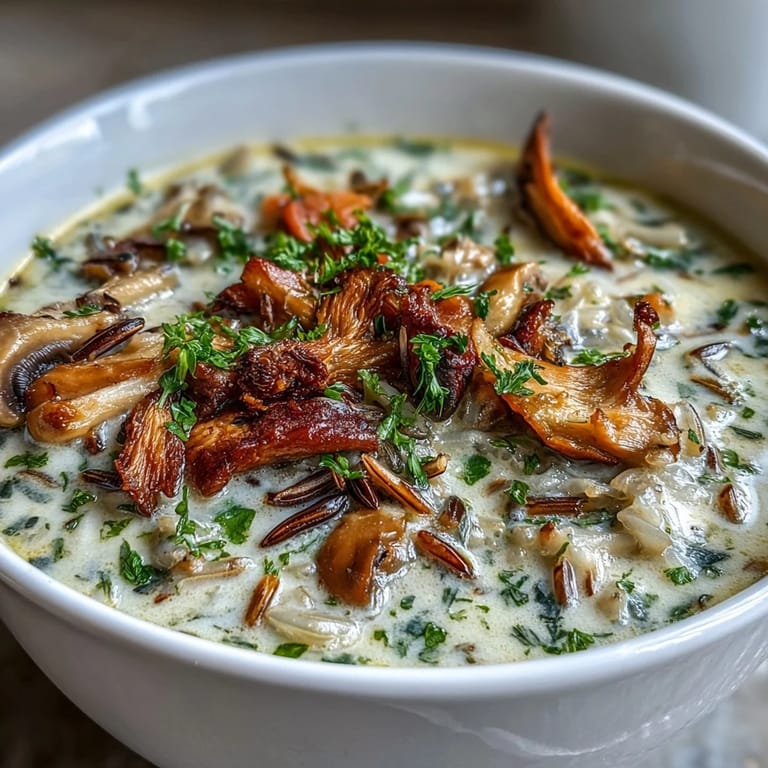
- Ladle into warm bowls, scatter fresh parsley on top, and bring to the table while it's still steaming. The aroma alone will make people grateful they're about to eat this.
 Save Pin
 Last winter my young nephew stayed with us for a week, and this soup became our after-school ritual—he'd come home cold from the bus stop, and I'd have a bowl waiting. He started asking me to make it before he even took off his coat, which made me realize that comfort food is really just love wearing an edible disguise.
Mushroom Magic and Umami
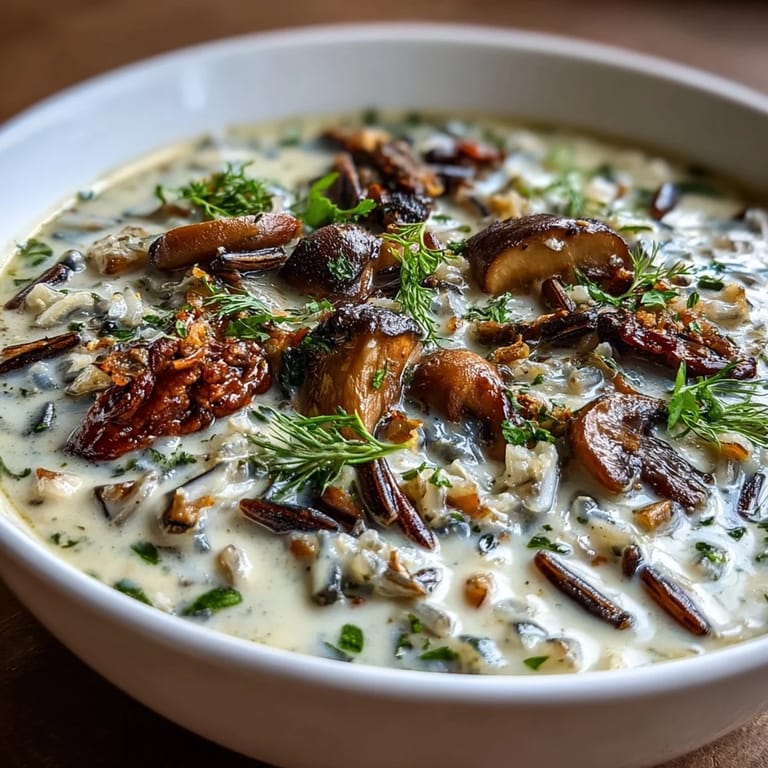
The secret power of this soup lives in those mushrooms and how they transform with heat. When mushrooms cook down and release their moisture, their natural umami compounds concentrate, creating a savory depth that makes people ask what mysterious ingredient you used. It's not mysterious at all—it's just fungi becoming themselves, with a helping hand from soy sauce that pushes the umami even further forward.
Wild Rice Worth the Wait
Wild rice isn't technically rice at all, but the seed of a aquatic grass, which explains its nutty flavor and firmer texture. It takes longer to cook than regular rice—those 40-plus minutes aren't wasted time, they're when the rice absorbs all your carefully built flavor and becomes part of something cohesive. Once you taste the difference between rushed rice and properly cooked rice in a finished soup, you'll understand why patience is the real ingredient here.
Making It Your Own
This soup is a confident enough recipe that it welcomes your personal touches without losing its identity. I've made versions with a splash of dry sherry stirred in with the mushrooms, which adds a sophisticated edge that catches people's attention. Other times I'll add a pinch of smoked paprika or fresh sage depending on what mood the kitchen is in, and the soup adjusts gracefully.
- For a vegan version, plant-based cream made from cashew or coconut works beautifully and doesn't affect the flavor at all.
- A crusty piece of bread serves as the perfect companion for soaking up every last drop from your bowl.
- This soup freezes exceptionally well for up to three months, making it an excellent candidate for batch cooking on your next free afternoon.
 Save Pin
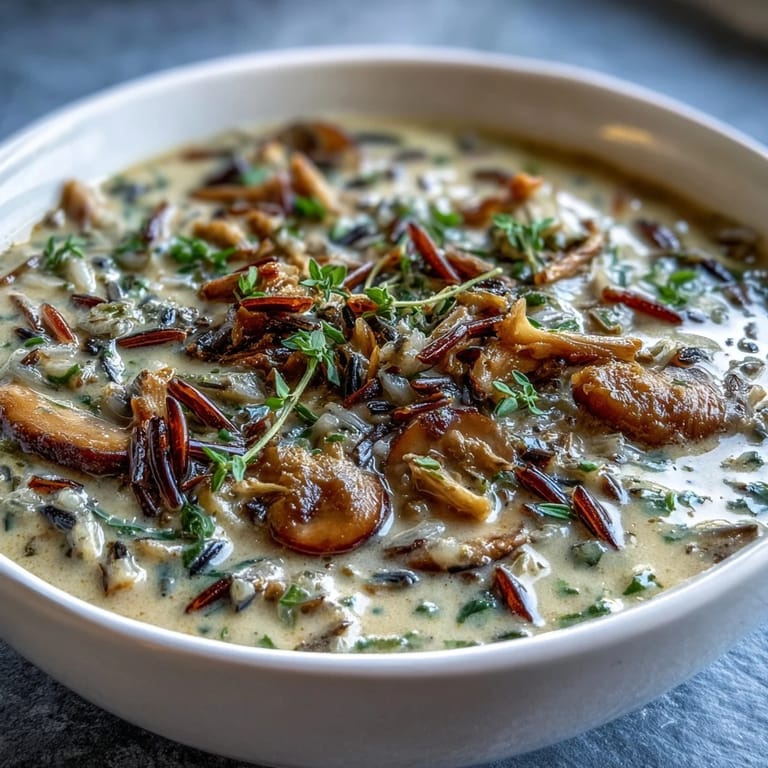
 Soup like this reminds us that the best meals are made with attention and care, even when they look simple. I hope this becomes a comfort you return to again and again.
Recipe FAQs
- → What type of wild rice works best?
True wild rice or a wild rice blend both work beautifully. Rinse thoroughly before adding to remove any debris. The rice should simmer until tender but still retain some texture—about 40-45 minutes.
- → Can I use regular white mushrooms instead of wild varieties?
While cremini or button mushrooms will work, the wild varieties like shiitake and oyster mushrooms contribute that distinctive earthy, umami-rich flavor that makes this soup special.
- → How do I make this soup vegan?
Substitute the heavy cream with cashew cream, coconut cream, or your favorite plant-based cream alternative. The soup will still be rich and satisfying without dairy.
- → Can I make this soup ahead of time?
Absolutely. This soup actually tastes better the next day as flavors meld. Store in the refrigerator for up to 4 days. Reheat gently, adding extra broth if needed since the rice will continue absorbing liquid.
- → What should I serve with this soup?
Crusty bread, garlic knots, or a simple green salad complement the rich creaminess perfectly. For a heartier meal, pair with a grilled cheese sandwich or warm dinner rolls.
- → Can I freeze this soup?
Yes, freeze for up to 3 months. However, the cream may separate slightly upon reheating—simply whisk well while warming. The rice texture will soften slightly after freezing but remains delicious.